


Power outages are inconvenient on their own, but the frustration often lingers when the lights come back on and your air conditioner does not. One might assume the AC should restart automatically once power is restored, only to find the system unresponsive hours later.
A power outage can interrupt your AC in several ways that are not immediately obvious. Electrical safeguards, reset timers, and sensitive components all play a role in how your system reacts once electricity returns.
Some issues are simple and temporary, while others signal a need for professional AC repair in Coral Springs.
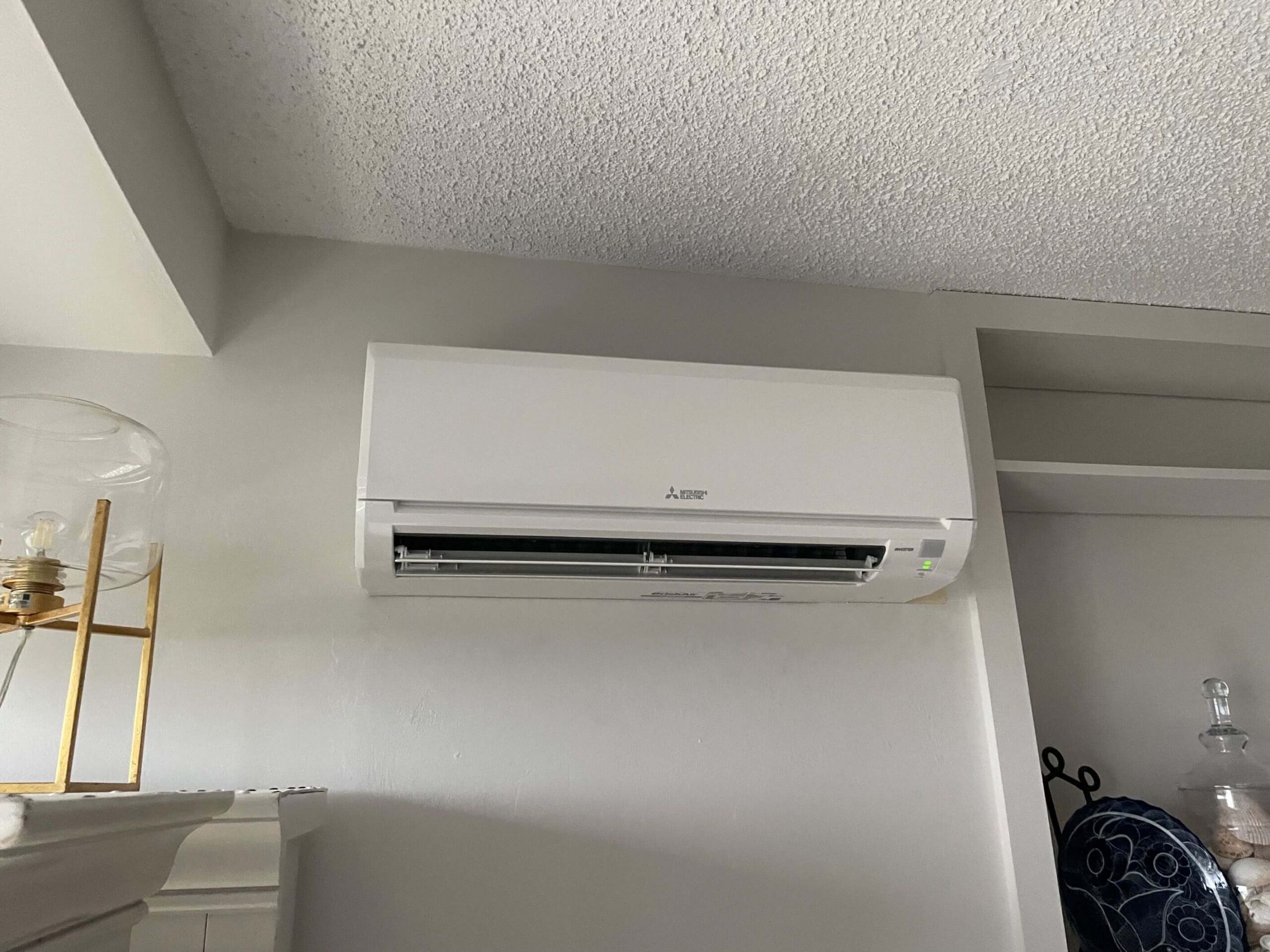
What Happens to Your AC System During a Power Outage
When the power goes out, your AC system shuts down instantly. That sudden stop can affect sensitive electrical parts, especially if the outage is followed by a surge when power is restored. Voltage fluctuations are common during the situation, and they can confuse or stress components that control how and when your system turns on.
Modern air conditioners are designed with safety features that respond to these conditions. Instead of restarting immediately, many systems pause operation or shut down completely to protect internal parts.
While the process can be frustrating for homeowners, it often prevents more serious damage.
In other words, your AC may be off for a reason, even though the power is back on.
Common Reasons Your AC Won’t Turn On After Power Is Restored
A Tripped Circuit Breaker or Blown Fuse
Power interruptions and surges can overload circuits, causing the breaker to shut off power to protect your system. In some homes, the AC has both a breaker at the main electrical panel and a separate disconnect near the outdoor unit.
If the breaker has tripped, resetting it may restore operation. However, if the breaker trips again shortly after being reset, that’s a sign of a deeper electrical issue.
Repeated resets can put strain on your system and should be avoided until a technician can take a closer look.
Thermostat Issues After an Outage
Your thermostat tells your AC when to turn on. After a power outage, thermostat settings may reset, batteries may weaken, or communication between the thermostat and the system may be interrupted.
It’s worth checking that the thermostat is set to “cool,” the temperature is set lower than the room temperature, and the display is functioning normally. Battery-powered thermostats may simply need fresh batteries.
If the screen is blank or unresponsive even after basic checks, the thermostat itself may need attention.
Built-In Safety Delay Is Still Active
Many AC systems include a built-in delay that prevents the unit from restarting immediately after losing power. The delay typically lasts several minutes and allows internal pressures to stabilize before the system starts again.
During hot weather, waiting for this delay can feel longer than it actually is. It’s important to give the system enough time before assuming something is wrong.
Trying to force a restart by flipping switches repeatedly can make the problem worse and extend the delay.
Outdoor Disconnect or Shutoff Issues
Near the outdoor unit, there is usually a disconnect box that allows technicians to safely shut off power during service. In some cases, the disconnect may be affected during a power outage or surge.
While homeowners can visually confirm that the disconnect hasn’t been obviously disturbed, it’s best to leave any hands-on inspection to a professional. This component carries high voltage, and improper handling can be dangerous.
Electrical or Control Board Damage
If your AC still won’t turn on after basic checks, the issue may involve internal electrical components. Control boards, capacitors, and contactors are especially vulnerable to power surges. Damage to any of these parts can prevent your system from starting or responding to thermostat commands.
Such problems often show subtle signs, such as clicking sounds, brief attempts to start, or no response at all.
Diagnosing and repairing internal electrical damage requires proper tools and training, making this a job for a licensed HVAC technician.
Simple Checks Homeowners Can Safely Try
Before scheduling service, there are a few safe steps homeowners can take:
- Wait at least five to ten minutes after power restoration to allow any safety delays to clear.
- Check thermostat settings and replace batteries.
- Take a quick look at the electrical panel to see if the AC breaker has tripped. If it has, reset it once. Beyond that, it’s best to stop and call for professional help.
- Avoid opening panels, touching wiring, or attempting DIY repairs, as these actions can lead to injury or further damage.
Signs It’s Time to Call for Professional AC Repair
If your AC remains off after basic troubleshooting, it’s time to bring in an expert. Warning signs include:
- Repeated breaker trips
- Burning or unusual odors
- Buzzing or clicking noises
- The system trying to start and shutting down again
Ignoring symptoms can allow minor electrical issues to turn into major repairs. Prompt service not only restores cooling faster but also helps protect the long-term health of your system.
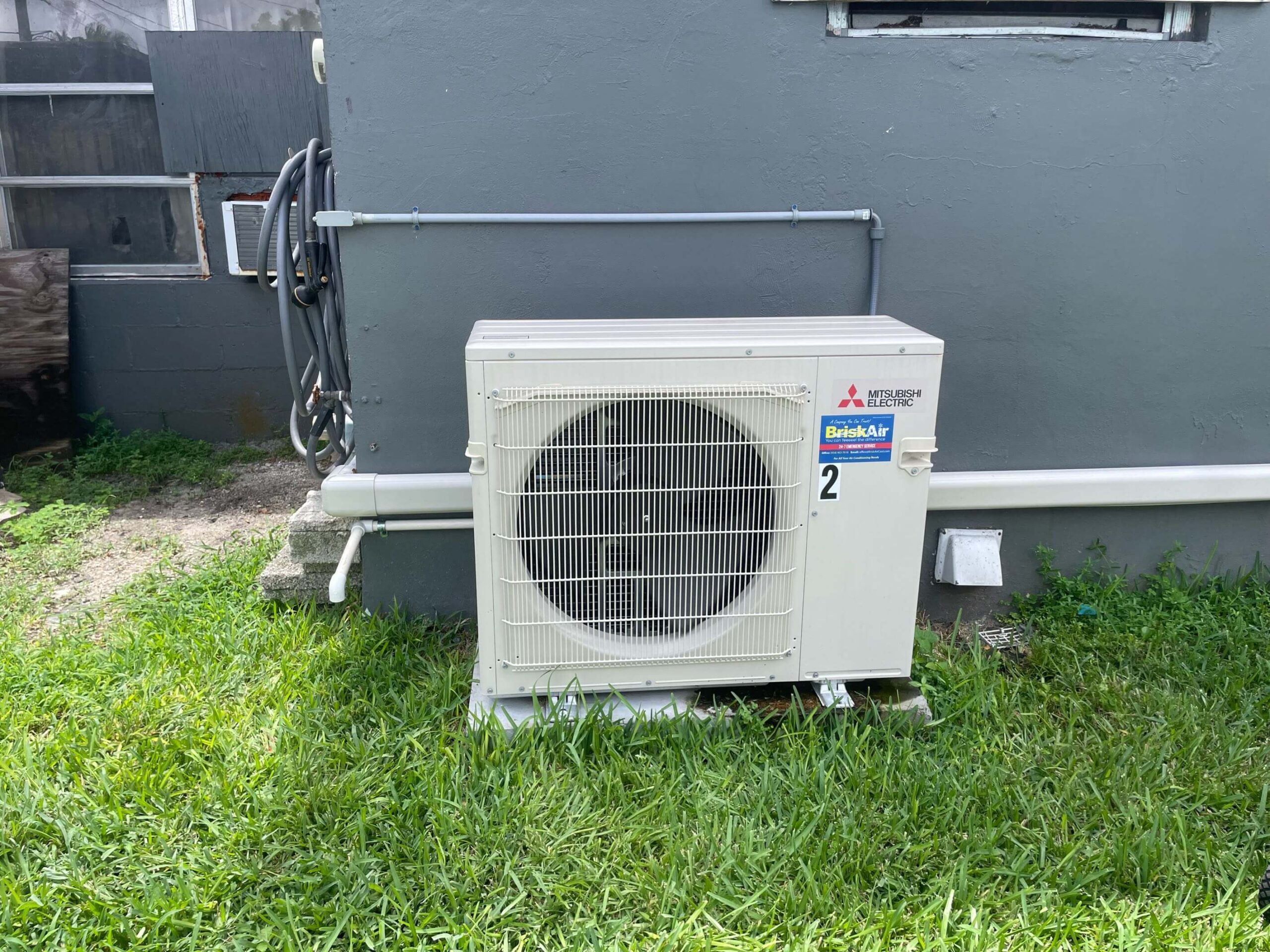
How a Professional Diagnoses Post-Outage AC Problems
When a technician arrives, they begin with a thorough inspection of your system, which includes testing electrical connections, checking safety switches, and examining components that may have been affected by a power surge.
Control boards, capacitors, and contactors are also evaluated to determine whether they are operating correctly. If surge damage is found, the technician will explain the issue clearly and walk through repair or replacement options.
The goal is always to restore safe, reliable operation without unnecessary work.
Reducing AC Issues After Future Power Outages
Add Surge Protection Where It Matters
Power surges often occur when electricity comes back on, and those sudden voltage spikes can damage sensitive AC components.
Installing surge protection, either at the electrical panel or directly on the HVAC system, helps absorb excess voltage before it reaches critical parts like control boards and capacitors.
An added layer of protection is especially helpful for newer systems that rely on advanced electronics.
Keep Up with Regular AC Maintenance
Routine maintenance helps your system operate smoothly under normal conditions and during electrical disruptions. During a professional tune-up, technicians check electrical connections, test safety controls, and look for early signs of wear.
Systems that are clean, properly calibrated, and in good working order are less likely to struggle after a power interruption.
Consider Thermostat Updates and System Checks
Older thermostats may have trouble recovering after outages, more so if they rely on outdated wiring or weak batteries. Upgrading to a newer, more reliable thermostat can improve communication between your AC and control system.
Seasonal inspections also allow technicians to identify electrical vulnerabilities before they lead to a no-start situation.
Allow Time for a Safe Restart
After power is restored, it is best to wait several minutes before turning your AC back on. Many systems include built-in safety delays that prevent immediate restarts to protect internal components.
Giving your system time to reset helps avoid unnecessary stress and allows normal operation to resume safely.
Reliable AC Repair in Coral Springs When You Need It Most
If your air conditioner isn’t responding after a power outage, Brisk Air can help. Our team provides a broad range of heating and cooling services, including AC installation, repairs, maintenance, and more.
We also offer upfront pricing designed to work with any budget, honest and no-pressure solutions, money-saving specials, and guaranteed flawless performance on heating and AC replacement and installation.
Every job is backed by 100% satisfaction, no matter the size. Contact Brisk Air today to schedule service and bring reliable cooling back to your home.