

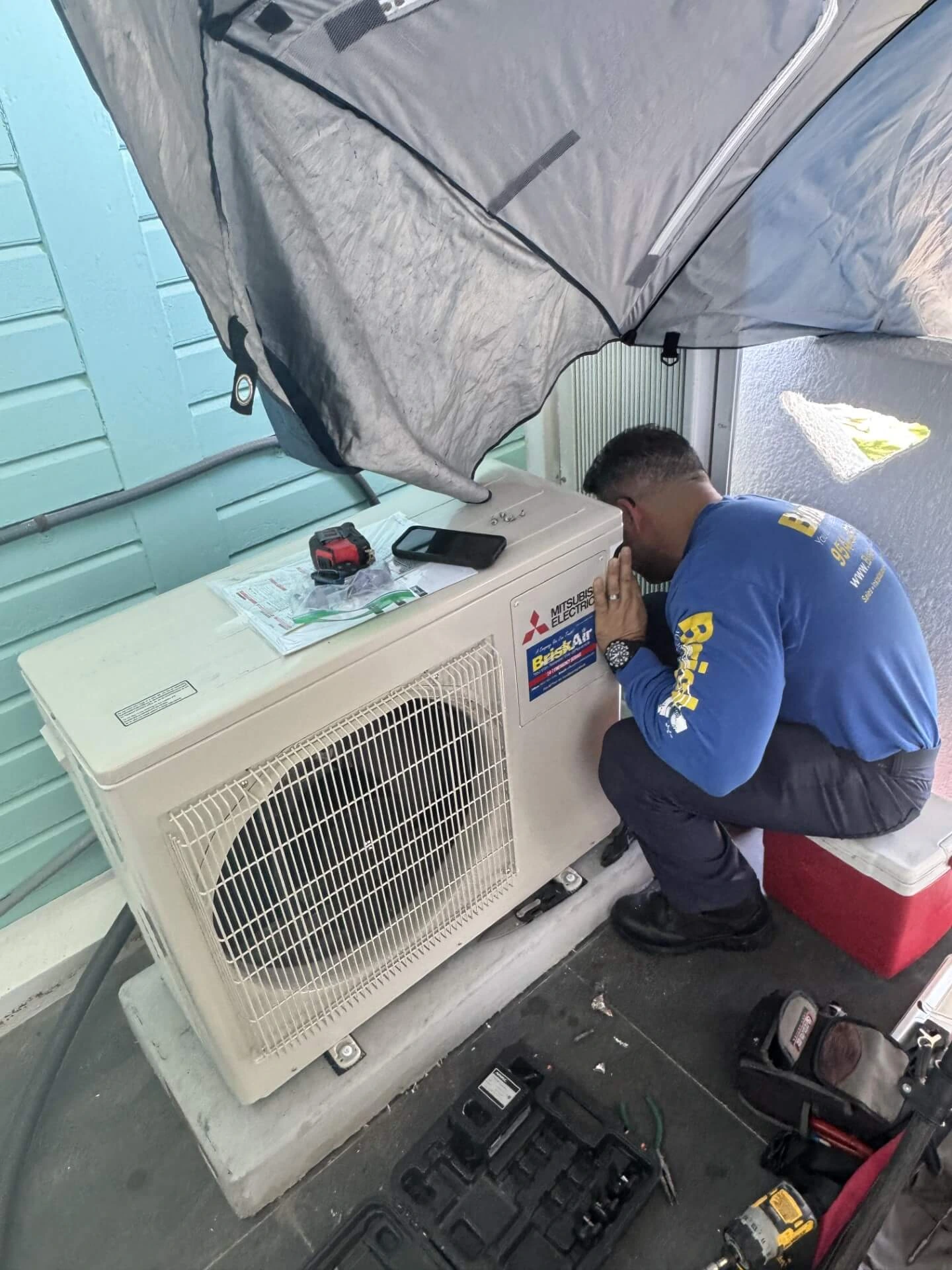
A malfunctioning air conditioner can turn a comfortable home into a sweltering space in no time. While calling a technician for air conditioning repair in Coral Springs is often necessary, many common AC issues have simple fixes you can check at home before scheduling a service visit.
From airflow problems to thermostat settings, small issues can sometimes make a huge difference in performance. By knowing what to look for, you can save time, avoid unnecessary costs, and help your AC run efficiently all season long.
Home Checks That Can Help Your AC Run Before a Service
Check the Power Supply
One of the most common reasons an air conditioner won’t turn on is a simple power issue, and it’s one of the easiest things to check before calling a technician.
Start by confirming that your thermostat is powered on and set to “cool.” Sometimes, the system isn’t broken; it’s just waiting for the right signal to start. Adjusting the temperature setting slightly can trigger your AC to respond.
Next, inspect your circuit breaker. A tripped breaker can cut electricity to the AC completely. If you notice a switch in the “off” position, turn it off and then back on to reset it.
Take care when handling electrical components. If you feel unsure, it’s safer to contact a professional rather than risk injury.
Also, check that the unit is properly plugged in if it uses a standard power cord. While it may seem obvious, power connections are often overlooked. A quick reconnection could save you a service call and restore cool air immediately.
Inspect the Air Filter
A clogged or dirty air filter can reduce airflow, force your system to work harder, and even cause it to stop functioning. Inspecting the filter is one of the simplest and most effective steps you can take at home.
Locate the filter, which is usually found near the return vent or inside the blower compartment. Remove it and examine it for dust, dirt, or debris. If it appears dirty, clean it if it’s reusable, or replace it if it’s disposable.
Most filters should be replaced every 1–3 months depending on usage, pets, and indoor air quality.
A clean filter improves airflow, helps your AC cool more efficiently, and can prevent larger, more expensive problems down the line. It’s a small maintenance step that pays off in comfort and energy savings.
Check the Thermostat Settings
Your thermostat controls the AC, and sometimes the problem isn’t the system itself but its settings. Make sure the thermostat is set to “cool” and that the temperature is lower than the current room temperature. A simple adjustment here can resolve what feels like a major problem.
For digital thermostats, check the batteries. Weak or dead batteries can prevent the system from responding correctly.
Also, consider the thermostat’s location. If it’s placed in direct sunlight, near a heat source, or blocked by furniture, it may give inaccurate readings, causing the system to turn on and off incorrectly or fail to cool efficiently.
Adjusting placement or removing obstructions can often improve performance.
Examine Air Vents and Registers
Proper airflow is essential for your AC to function efficiently. Blocked or closed vents are a surprisingly common cause of uneven cooling or reduced performance. Walk through your home and make sure every vent and register is fully open and unobstructed.
Over time, dust and debris can build up in vents, limiting airflow. A quick inspection and gentle cleaning can make a noticeable difference.
Testing airflow from multiple vents can help identify areas where air isn’t circulating properly, which may indicate a need for professional attention or minor adjustments like moving furniture away from vents.
Inspect the Outdoor Unit
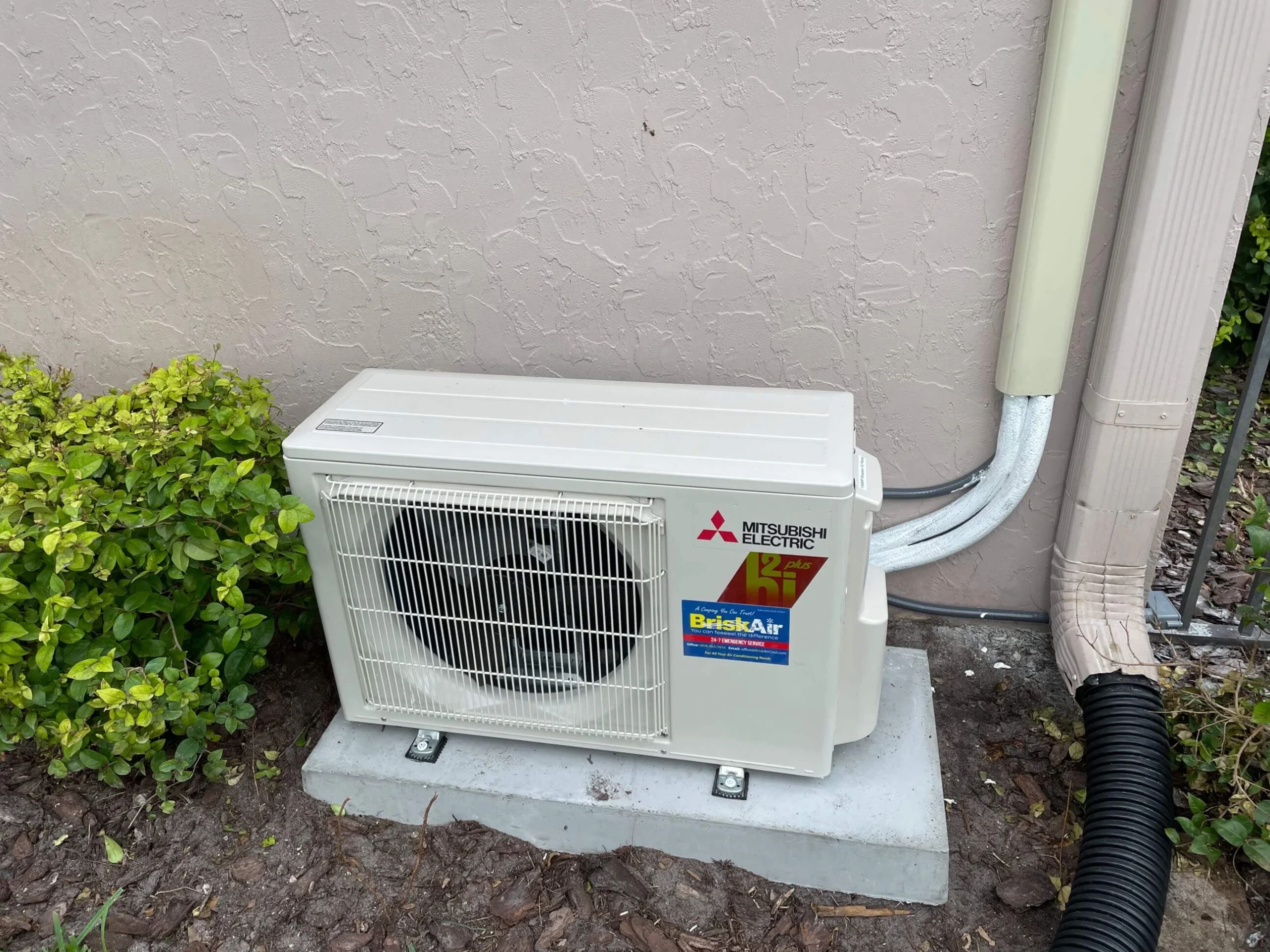
The outdoor condenser unit handles much of the work to keep your home cool, and problems here can affect the performance of your entire system.
Start by clearing debris such as leaves, grass, or dirt from around the unit. Any blockage can reduce airflow, lower efficiency, or even cause the system to shut down.
Next, visually inspect the fan blades and coils. While you shouldn’t attempt internal repairs yourself, you can check for obvious damage, bent fins, or foreign objects. Make sure the unit has at least a couple of feet of clearance on all sides to allow proper airflow.
Keeping the area around the outdoor unit clean and unobstructed can prevent many common problems and improve your AC’s performance.
Look for Leaks and Ice Buildup
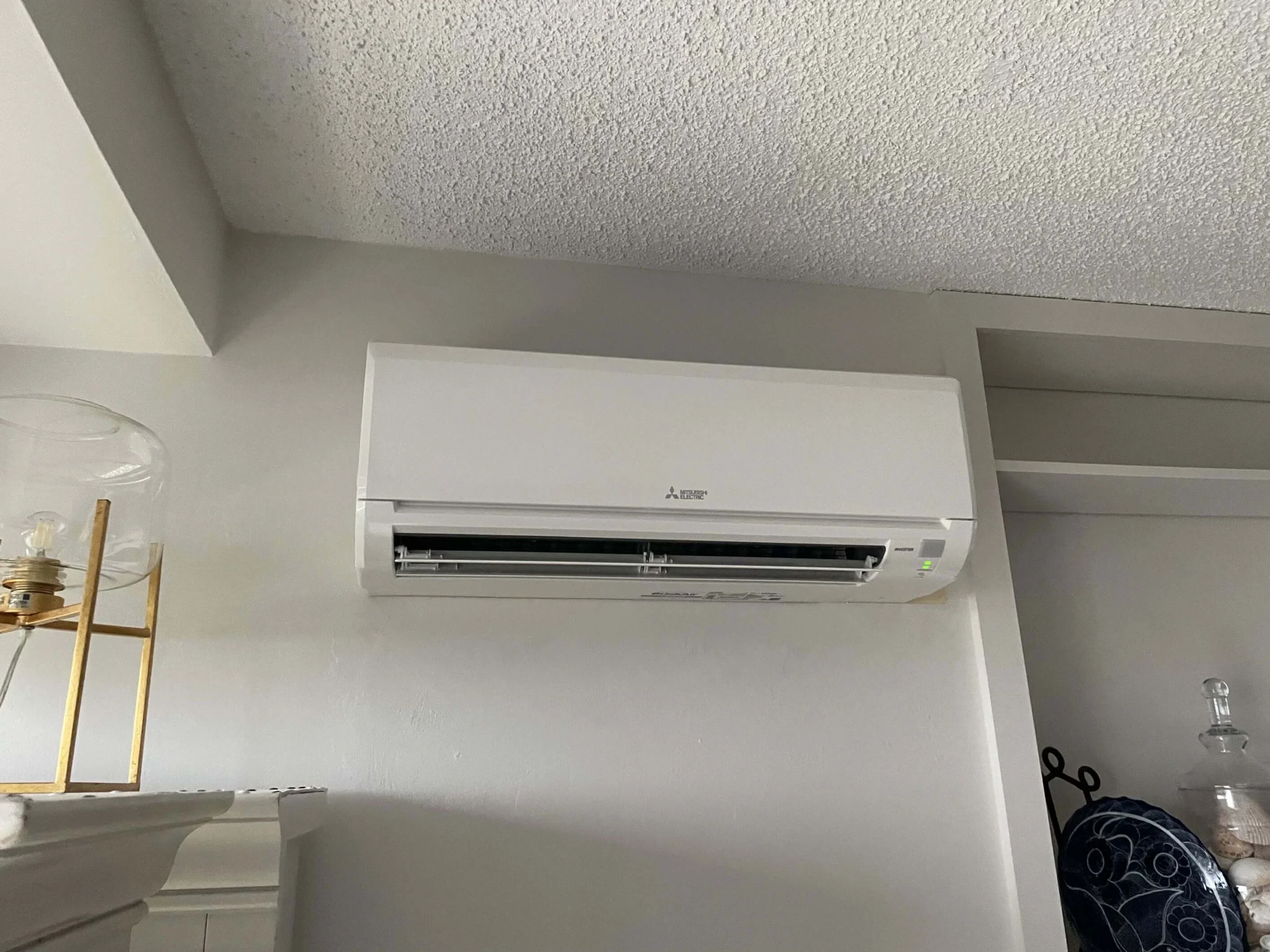
Water leaks or ice on your AC can signal serious underlying issues. Check your indoor unit for water pooling, drips, or excessive condensation. Leaks can result from blocked drain lines, loose connections, or other installation issues.
Ice formation on coils or refrigerant lines is another sign of trouble. It may indicate low refrigerant levels or airflow problems. While it can be tempting to remove the ice manually, doing so could damage your system.
Instead, turn off the AC and let the ice melt naturally. Persistent ice buildup is a clear reason to contact a professional for evaluation.
Listen for Strange Noises
The sounds your AC makes can tell you a lot about its condition. Buzzing, rattling, or hissing noises are signals that something isn’t functioning as it should. Some noises have simple causes that you can address at home, like a loose panel or debris caught in the fan.
Other sounds, such as grinding, loud rattling, or continuous clanking, often indicate a more serious mechanical issue. If you hear anything unusual, take note of when the sound occurs, its frequency, and where it seems to come from.
This information can help a technician diagnose and fix the problem more efficiently, saving time and potentially preventing further damage.
Check for Unusual Smells
Odors coming from your AC can be subtle yet important warning signs. A musty or moldy smell may suggest a blocked drain line, dirty filter, or microbial growth in the ductwork. Burning or chemical-like odors can indicate electrical problems, motor issues, or other hazards.
While minor issues like a dirty filter can be addressed at home, any burning or chemical smells should be taken seriously.
Turn off your system immediately and call a licensed professional to investigate. Ignoring these signs can lead to costly repairs or even safety risks.
When to Call the AC Technician
After completing these checks, you might have resolved the issue or at least gathered useful information about what’s happening.
Some problems are simple and manageable at home, like replacing a filter or adjusting a thermostat. Others require a licensed professional, such as:
- Low refrigerant levels or leaks
- Electrical issues, including tripped breakers or wiring problems
- Strange or persistent noises from motors, fans, or compressors
- Ice buildup on coils or refrigerant lines
- Water leaks or blocked drain lines that can cause damage
- Malfunctioning compressors or other major mechanical components
Even when you need professional help, performing these checks first can save time and money. You’ll be able to provide the technician with detailed information, which helps them diagnose and fix the problem efficiently.
Safety is always the priority, so don’t attempt repairs beyond your comfort level.
Get Expert Air Conditioning Repair in Coral Springs You Can Count On
Whether you need AC repairs, system installation, or routine maintenance, we provide upfront pricing, honest, no-pressure solutions, and specials that help you save. Our team guarantees flawless performance on any heating or AC replacement or installation and ensures complete satisfaction on every job.
If your air conditioner isn’t performing as it should or if you’re ready for an upgrade, contact Brisk Air today for reliable, professional service you can trust.