

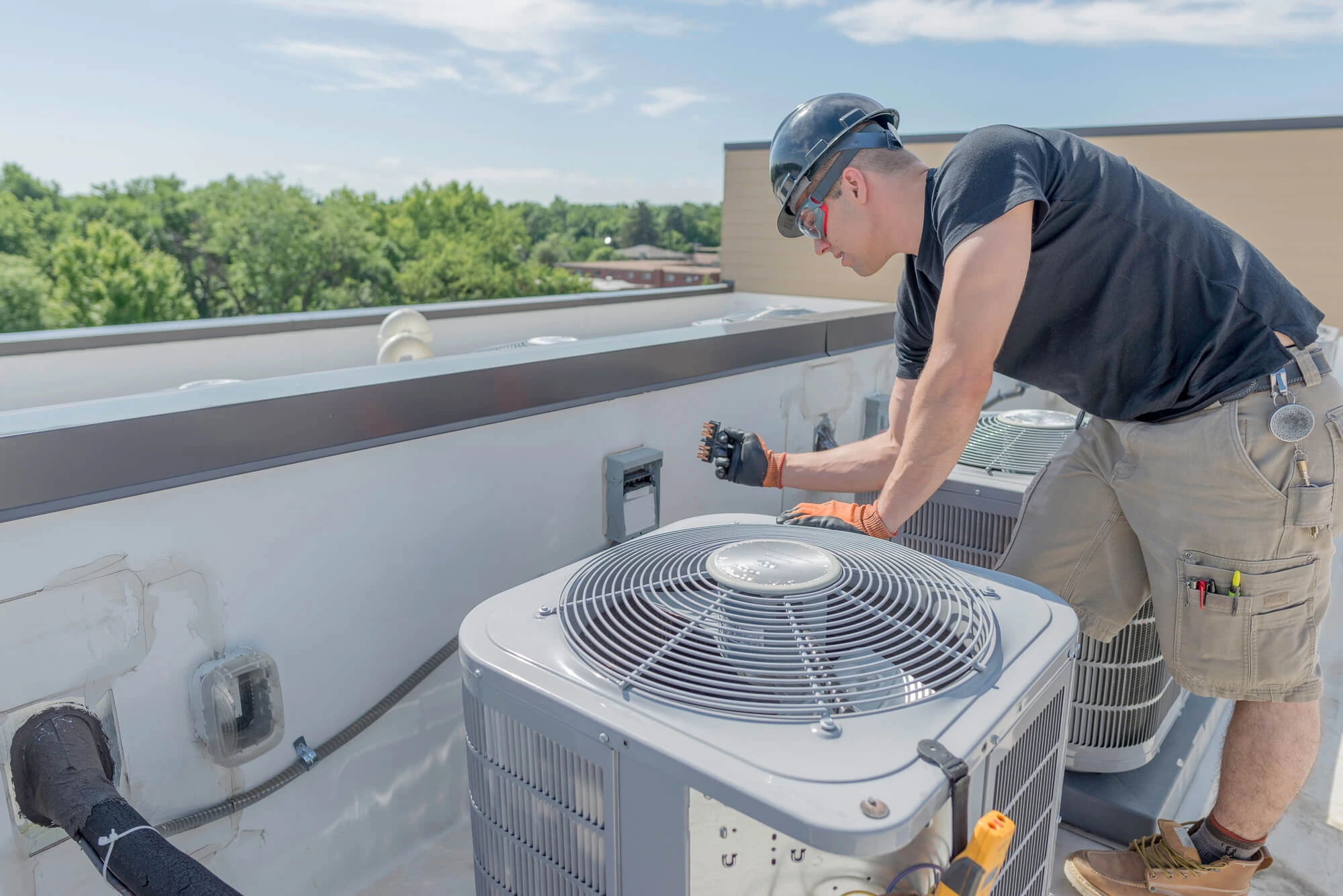
Your AC kicks on, the fan whirs to life, and just as relief seems near—click—the breaker trips again. The house heats up, frustration rises, and that mysterious electrical hiccup leaves you wondering what’s really going wrong.
Breakers are protecting your home, but repeated trips are a clear sign that your system is struggling, and you need HVAC services in Coral Springs.
The Role of AC Breakers
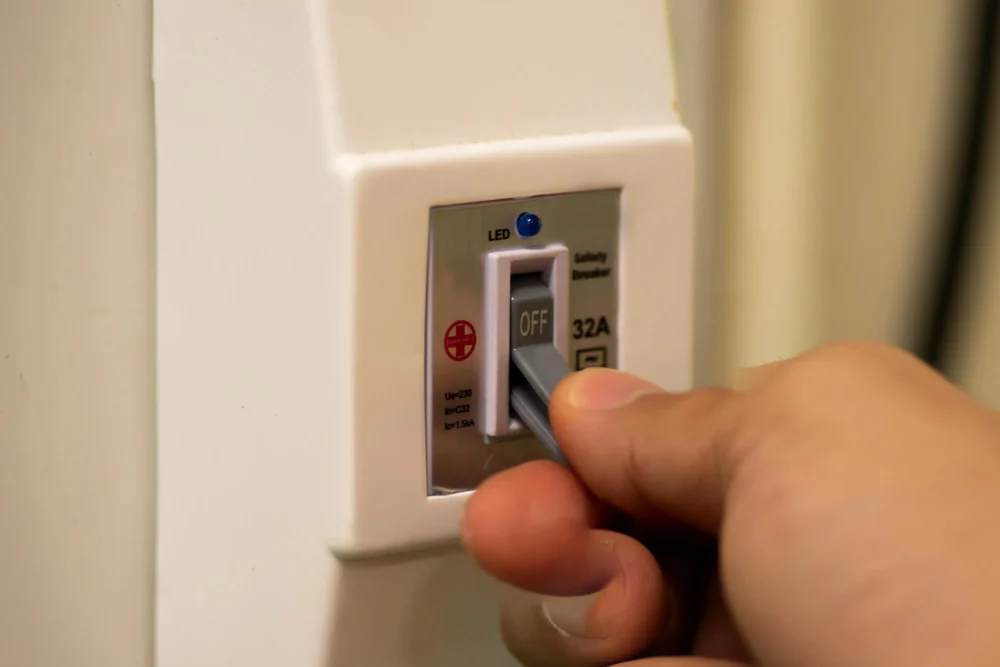
Breakers are designed to protect your electrical system by stopping the flow of electricity when a circuit becomes overloaded. Essentially, they act as a safeguard against overheating wires, electrical fires, and damage to your appliances, including your air conditioner.
Your AC unit is one of the more power-hungry appliances in your home. When it turns on, it draws a significant amount of current to power the compressor, fan, and other components.
If something goes wrong, whether it’s an electrical fault or a mechanical issue, your breaker will trip to prevent further problems. While occasional trips might not be a huge concern, recurring trips signal that something needs attention.
Common Causes of AC Breaker Trips
Electrical Overload
An electrical overload happens when the circuit your AC is on tries to draw more electricity than it can safely handle. Overloads often occur when other high-power appliances share the same circuit as your AC, such as a refrigerator, microwave, or space heater.
When the circuit exceeds its capacity, the breaker trips to prevent overheating and potential fire hazards. Even if your breaker resets temporarily, repeated trips indicate that the circuit cannot safely handle the current load, and it may be time to upgrade your electrical system or redistribute appliances across circuits.
Short Circuits
A short occurs when a “hot” wire touches another wire, the metal casing, or the ground. It may be due to worn wiring, rodent damage, or accidental contact during maintenance. Short circuits cause a sudden surge of electricity, which trips the breaker almost immediately.
If you suspect a short, look for visible signs such as burn marks, sparks, or a burning smell near the AC unit or breaker panel. Short circuits are dangerous and should always be handled by a licensed professional.
Ground Faults
When electricity finds an unintended path to the ground, it causes a ground fault. Moisture, damaged wires, or poor connections can be behind this problem. Unlike a simple overload, a ground fault triggers the breaker immediately because it poses a significant shock and fire risk.
Air conditioners are susceptible to ground faults, especially if they are located outdoors or in areas prone to dampness. If you notice the breaker trips whenever the AC is running in humid conditions or after rain, a ground fault could be the reason.
Dirty or Clogged Air Filters
While it may seem unrelated, a dirty or clogged air filter can indirectly cause breaker trips. When airflow is restricted, your AC has to work harder to cool your home. The extra effort increases the electrical load, which can push your circuit over its limit and trip the breaker.
Regularly checking and replacing air filters is one of the simplest ways to prevent this problem. It will reduce the risk of breaker trips while improving your AC’s efficiency and extend the life of the system.
Faulty Components
Sometimes, the breaker trips because something inside the AC unit is failing. Common culprits include the capacitor, compressor, or fan motor. A faulty capacitor may prevent the system from starting properly, drawing more electricity than usual.
Similarly, a failing motor or compressor can overheat, causing the breaker to shut off the circuit.
If your AC makes unusual humming, grinding, or rattling noises before the breaker trips, it’s a strong indicator that a mechanical issue may be involved. Such problems require professional diagnosis and repair to ensure the system operates safely.
Age and Wear of the Breaker or AC Unit
Older breakers can become less reliable over time. A breaker may trip under normal loads simply because it has worn out. Likewise, aging AC units may draw more electricity due to wear and tear on components, which can put extra stress on your electrical system.
If your home’s electrical panel is several decades old or your AC is nearing the end of its expected lifespan, it may be time to consider upgrades or replacement.
Modern breakers and AC units are designed to handle current demands more efficiently, reducing the likelihood of frequent trips.
Troubleshooting Tips Homeowners Can Try
While some AC problems require professional care, there are a few steps you can take safely at home:
- Check for Overloaded Circuits: Ensure that your AC isn’t sharing a circuit with other high-power appliances. Unplugging non-essential devices can help identify if overload is the cause.
- Inspect Air Filters: Dirty filters restrict airflow and make the system work harder. Replace or clean them according to your AC manufacturer’s recommendations.
- Reset the Breaker Properly: Turn the breaker fully off, wait a few seconds, and then flip it back on. If it trips immediately, it’s likely more than a simple overload.
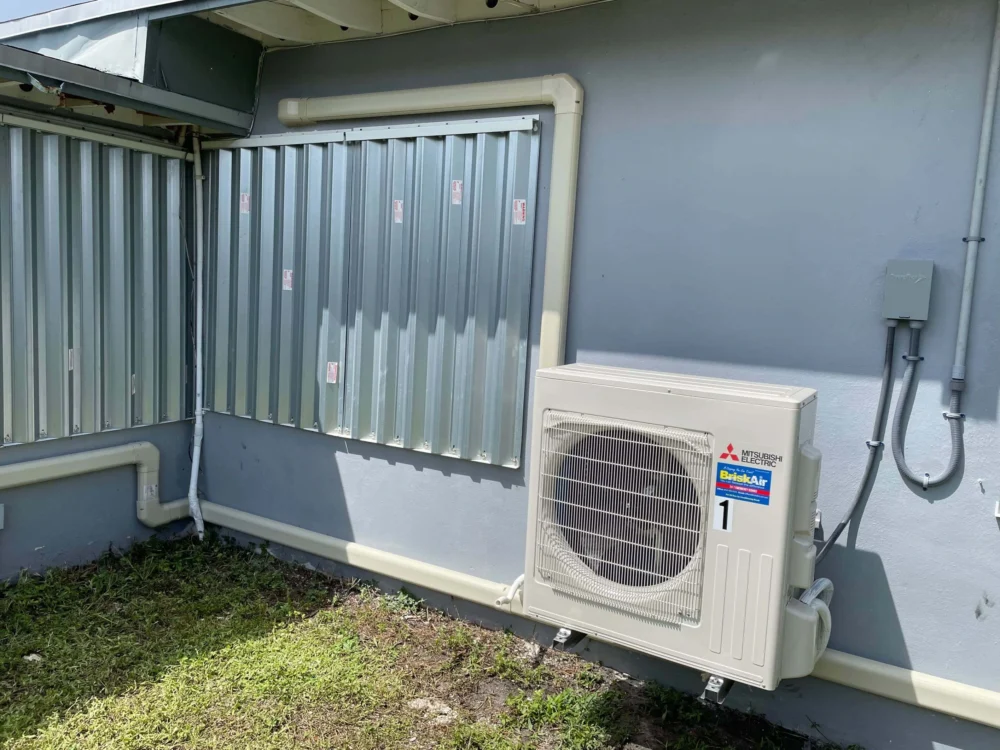
- Look for Visible Damage: Check for frayed wires, scorch marks, or moisture around your AC unit or electrical panel. Signs of damage mean it’s time to call a professional.
- Monitor Usage: Note when the trips occur. Is it during peak heat, when certain appliances run, or after a storm? Patterns can help professionals diagnose the issue more quickly.
When to Call a Professional
If your breaker trips repeatedly, or if you notice signs of electrical shorts or faulty AC components, it’s time to call in the experts.
Licensed HVAC professionals can:
- Diagnose electrical problems safely: They have the tools and expertise to identify hidden wiring issues, short circuits, and overloaded circuits without putting you or your home at risk.
- Repair or replace faulty components: From capacitors and motors to compressors and wiring, they can fix or replace damaged parts to restore your AC’s proper function.
- Upgrade your system to handle your home’s electrical load: If your home’s electrical system or breaker panel is outdated, professionals can make the necessary upgrades so your AC and other appliances run smoothly.
- Provide preventive maintenance to reduce future trips: Regular inspections, cleaning, and tune-ups help spot potential problems before they turn into recurring breaker trips or costly repairs.
Even if the issue seems minor, delaying service can lead to more expensive repairs or system failure. Regular AC inspections are a proactive way to ensure your system runs smoothly throughout the year.
Preventive Measures to Avoid Future Trips
Once you’ve resolved the immediate problem, it’s smart to implement preventive measures:
- Routine Maintenance: Clean or replace filters regularly, check wiring, and schedule professional inspections.
- Avoid Circuit Overloads: Distribute appliances across multiple circuits to reduce stress on a single line.
- Upgrade Electrical Components: Modern breakers and wiring can handle today’s AC loads more reliably.
- Address Mechanical Wear Early: Repair or replace aging components before they cause further electrical issues.
Fix Any Issue with Our High-Quality HVAC Services in Coral Springs
If your AC keeps tripping the breaker, don’t wait until it becomes a bigger problem. Contact Brisk Air for expert AC installation, repairs, maintenance, and more. Our team provides a broad range of heating and cooling services with upfront pricing to fit any budget, honest solutions to your heating and air problems, and specials that save you money.
We also guarantee flawless performance on every replacement and installation, and our work comes with a 100% satisfaction promise, no matter the job. Let us keep your home cool, safe, and worry-free—reach out to Brisk Air today!