

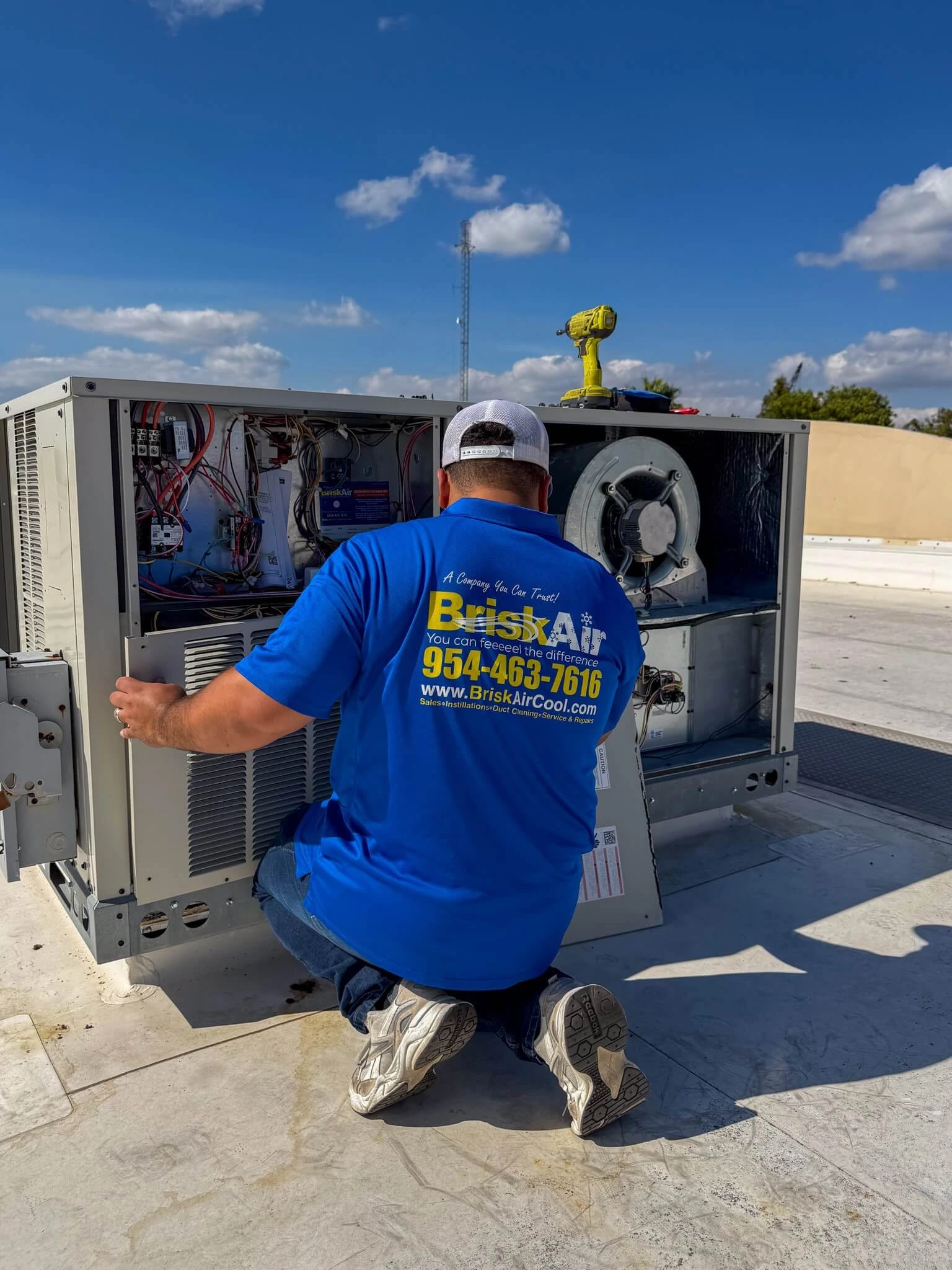
When homeowners think about heating and cooling systems, they focus on choosing the right brand, upgrading efficiency, or scheduling repairs or AC service in Coral Springs. But one factor that often gets overlooked is where the HVAC system is actually located within the home.
A poorly placed system can struggle to maintain consistent temperatures, work harder than necessary, and become more difficult to service. On the other hand, strategic placement can improve airflow, reduce energy costs, and help your system operate more effectively all year.
Understanding the pros and cons of different installation locations can help homeowners make smarter decisions during construction, renovations, or system replacements.
The Different Parts of an HVAC System
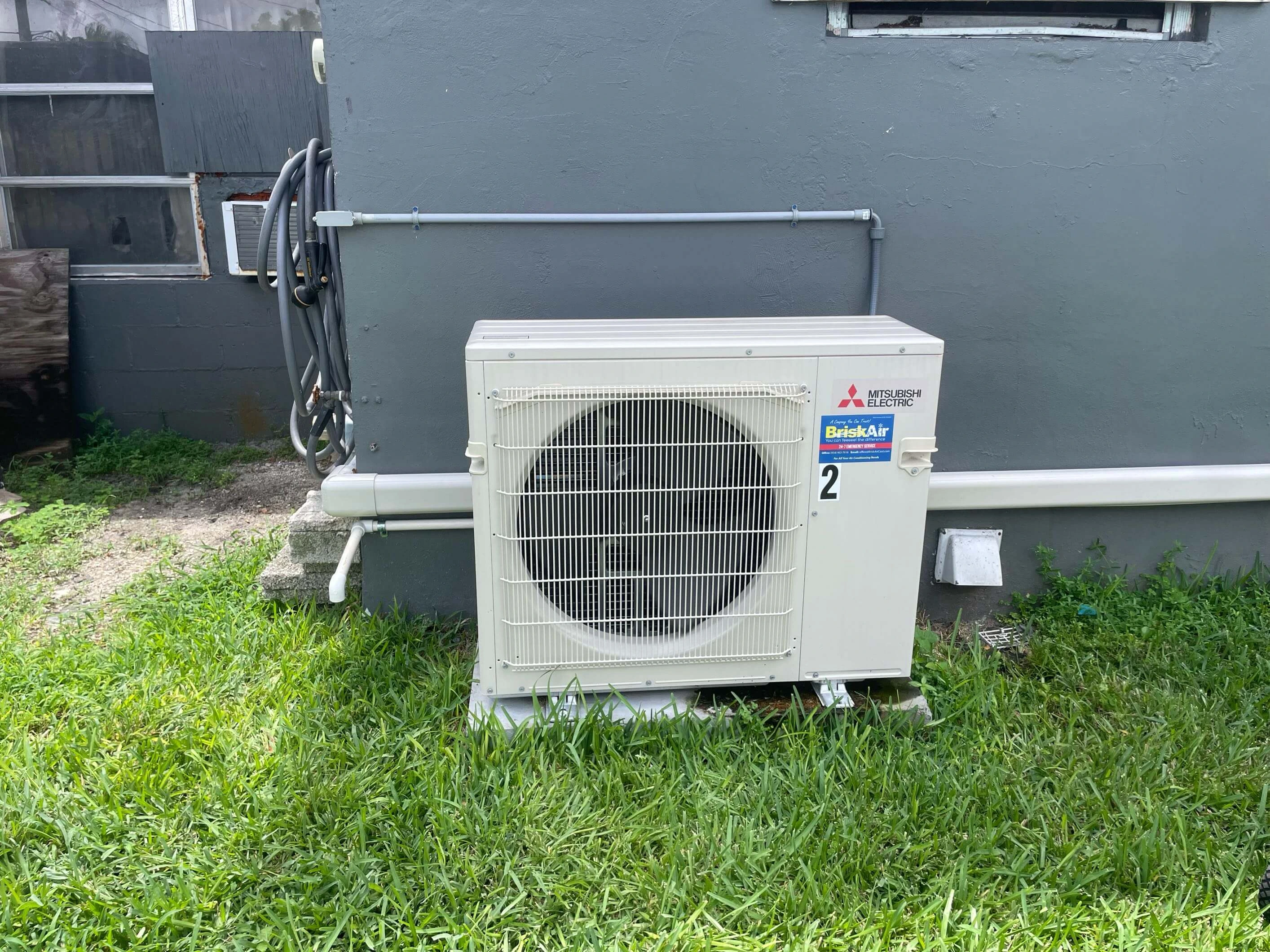
Inside the home, you may have a furnace, air handler, evaporator coil, ductwork, and thermostat. Outside, the system includes a condenser unit or heat pump. Each component requires proper airflow, clearance, and accessibility to perform efficiently.
Because every home is different, there is no universal “perfect” location for HVAC equipment. However, there are several common installation areas that tend to work well when designed properly.
Common Locations for Indoor HVAC Units
Attics
In many homes, especially in warmer climates, HVAC systems are installed in the attic. This setup keeps the equipment out of living spaces and frees up valuable square footage inside the home.
Attic installations can work well because they allow ductwork to run through the ceiling and upper portions of the home. However, attics also present challenges. During summer, attic temperatures can become extremely hot, forcing the system to work harder and reducing efficiency.
Maintenance access can also be more difficult in cramped attic spaces. Additionally, if a drain line clogs or condensation leaks occur, water damage to ceilings may become a concern.
To make attic HVAC installations more effective, homeowners should ensure the attic is properly insulated and ventilated. Secondary drain pans, float switches, and regular maintenance can also help prevent costly issues.
Basements
Basements are another common location for HVAC systems, especially in colder climates. One major advantage of basement installations is accessibility. Technicians typically have more room to inspect, repair, and maintain the equipment.
Basements also tend to remain cooler than attics, which can help HVAC systems operate more efficiently. There is often more space available for larger equipment, ductwork, and filtration systems as well.
However, basements are not without risks. Excess moisture, humidity, and potential flooding can damage HVAC components if proper precautions are not taken. A damp basement may also contribute to indoor air quality issues if humidity levels aren’t under control.
Installing dehumidifiers, maintaining drainage systems, and scheduling routine inspections can help protect HVAC systems located in basements.
Utility Closets or Mechanical Rooms
Some homes have dedicated utility closets or mechanical rooms designed specifically for HVAC equipment. These areas are often centrally located, making them a practical option for airflow distribution and servicing.
When designed properly, utility closets can provide good protection from outdoor conditions while keeping the equipment easy to access. However, proper ventilation is critical. HVAC systems need adequate airflow around them to operate safely.
Noise is another consideration. Systems installed too close to bedrooms or living spaces may create unwanted sound disturbances, more so during heating or cooling cycles.
If your HVAC is located in a closet or mechanical room, it’s important to keep the area clear and avoid storing items that could restrict airflow or create safety hazards.
Garages
In some homes, HVAC systems are installed in garages to save indoor living space. This can make installation and servicing easier while keeping the equipment out of sight.
However, garages are not always ideal environments for HVAC systems. Extreme temperature fluctuations, dust, vehicle fumes, and contaminants can affect system performance over time.
Proper insulation and ventilation become especially important when HVAC equipment is located in a garage. Homeowners should also ensure the system is protected from physical damage and excessive debris buildup.
Where Should the Outdoor HVAC Unit Go?
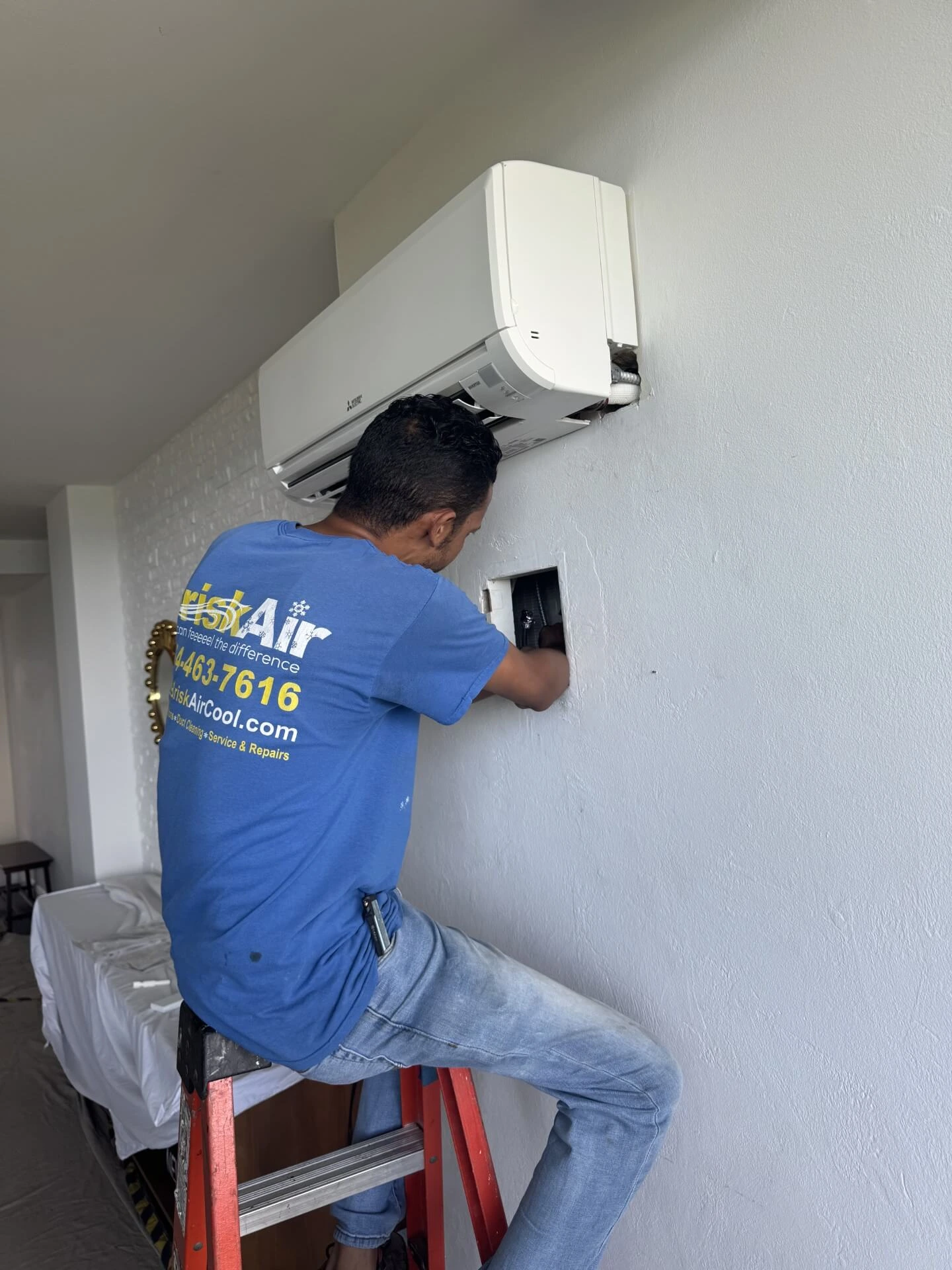
The outdoor condenser unit also requires careful placement. While homeowners sometimes focus on appearance, performance and airflow should always come first.
Areas With Good Airflow
Outdoor HVAC units need plenty of open space to release heat. Placing a condenser in a cramped corner, against a wall, or under a low deck can restrict airflow and force the system to work harder.
The unit should have adequate clearance on all sides to allow air to circulate properly and prevent overheating.
Partial Shade Can Help
While proper airflow matters more than shade alone, a partially shaded location can help reduce heat stress during hot weather.
However, the area should never be so enclosed that airflow becomes restricted. Trees, shrubs, and landscaping should also be trimmed to prevent debris buildup around the unit.
Distance From Living Areas
Although modern HVAC systems are quieter than older models, outdoor units still produce operational noise. Installing the condenser away from bedroom windows, patios, or frequently used outdoor spaces can improve overall comfort.
Elevated and Stable Surfaces
Outdoor units should always sit on a level, stable surface such as a concrete pad or mounting platform. In areas prone to flooding or heavy rain, elevating the unit may help protect it from water damage and debris.
Why HVAC Placement Matters
Some homeowners assume HVAC location is mostly about convenience or aesthetics, but placement impacts system performance in several important ways.
Energy Efficiency
Improper placement can increase strain on the system, leading to higher energy bills. For example, attic systems exposed to excessive heat or outdoor units with restricted airflow often need to work harder to maintain comfortable temperatures.
The harder your HVAC system works, the more energy it consumes.
Indoor Comfort
Poor HVAC placement can contribute to uneven temperatures throughout the home. Certain rooms may feel too warm while others remain too cold.
Strategic system placement helps improve airflow distribution, creating more balanced and consistent comfort.
System Lifespan
Excessive heat exposure, poor ventilation, and limited airflow can all shorten the lifespan of HVAC equipment. Proper placement helps reduce unnecessary wear and tear, allowing the system to operate more efficiently for longer.
Easier Maintenance and Repairs
Accessibility is one of the most overlooked aspects of HVAC placement. Systems installed in difficult-to-reach areas may discourage routine maintenance or complicate repairs.
When technicians can access the equipment more easily, inspections, repairs, and tune-ups often become faster and more cost-effective.
Thermostat Placement Is Just as Important
Thermostats should typically be installed on central interior walls in areas where the household spends the most time so it can measure the home’s average temperature.
Placing a thermostat near windows, direct sunlight, vents, kitchens, or appliances can create false readings. As a result, the system may cycle too frequently or struggle to maintain consistent comfort.
A poorly placed thermostat can make an otherwise efficient HVAC system perform poorly.
Signs Your HVAC System May Be Poorly Located
There are several signs that HVAC placement may be contributing to performance problems:
- Uneven temperatures throughout the home
- Rising energy bills
- Excessive noise during operation
- Frequent repairs or overheating
- Poor airflow in certain rooms
- Difficulty accessing the equipment for maintenance
If you notice these issues, it may be worth having an HVAC professional evaluate your system layout and airflow design.
Contact Our Experts in AC Service in Coral Springs Today
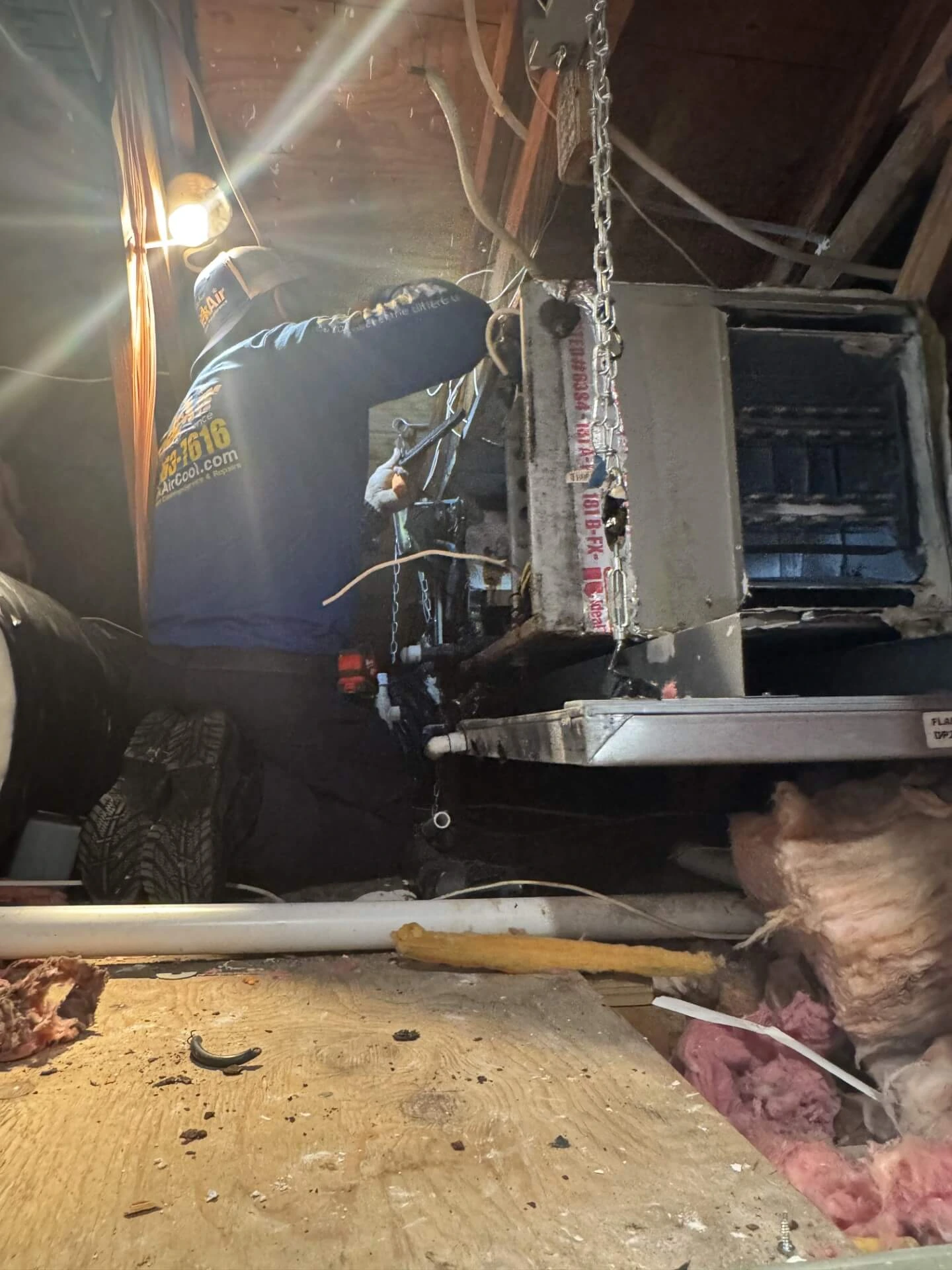
Whether you’re building a new home, replacing an aging system, or dealing with comfort issues, working with knowledgeable HVAC professionals can help you make the best decision for your space.
If you need expert AC service, installation, repairs, or heating solutions, contact Brisk Air. We provide a broad range of heating and cooling services, upfront pricing for any budget, honest no-pressure recommendations, and specials designed to help homeowners save money!