

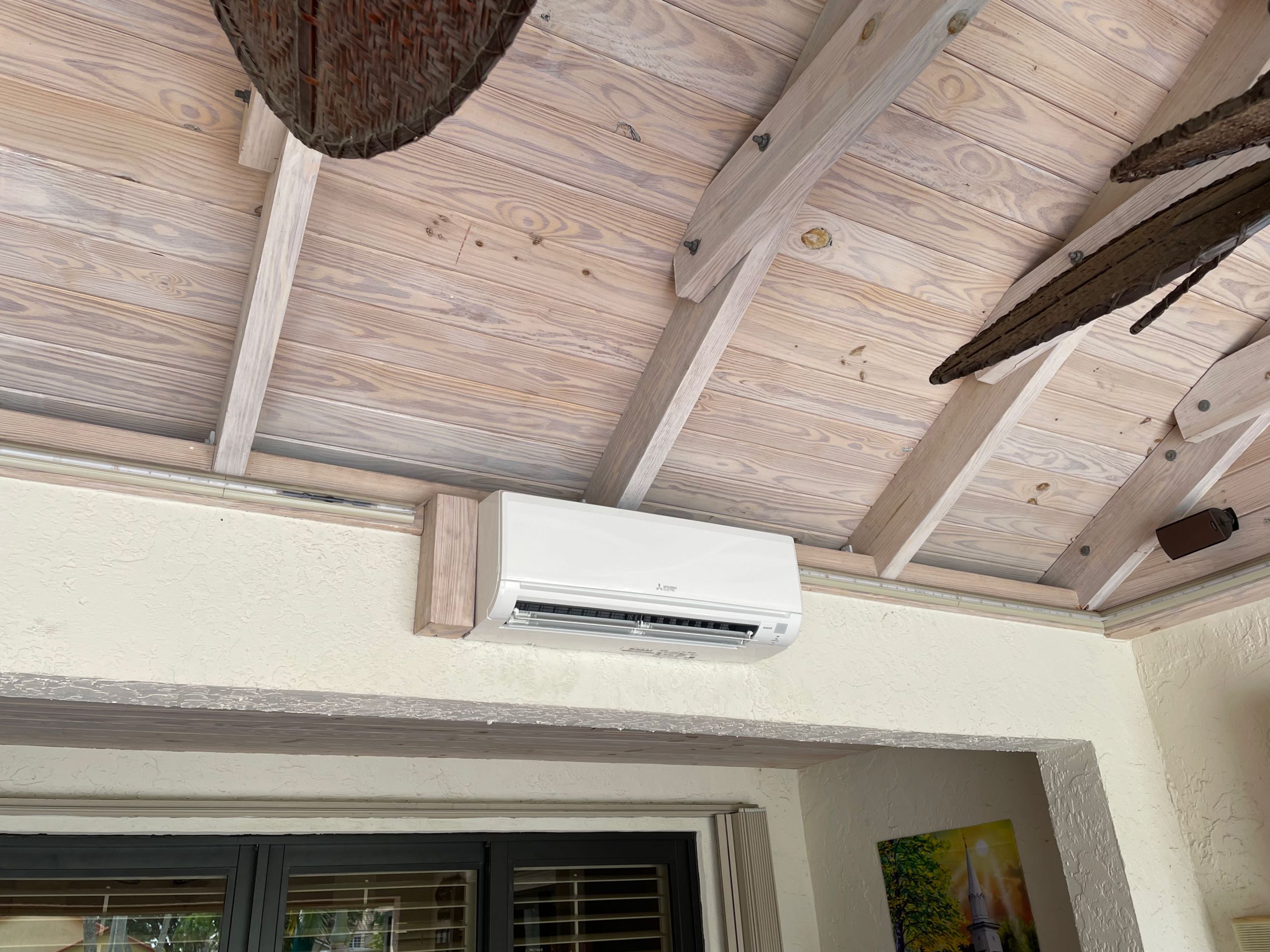
The moment your AC stops working, everything else seems to pause with it. The house feels warmer by the minute, routines get disrupted, and suddenly you’re searching for answers fast. Maybe the system went silent without warning, or maybe it’s been struggling all day before finally giving out.
Calling for emergency AC repair in Coral Springs is often the easy part. The uncertainty comes afterward: how quickly someone will arrive, what they’ll check first, and how long it will take to fix the issue.
With a clearer picture of the process, it’s easier to stay focused, ask the right questions, and feel confident about the next steps toward getting your home back to a comfortable temperature.
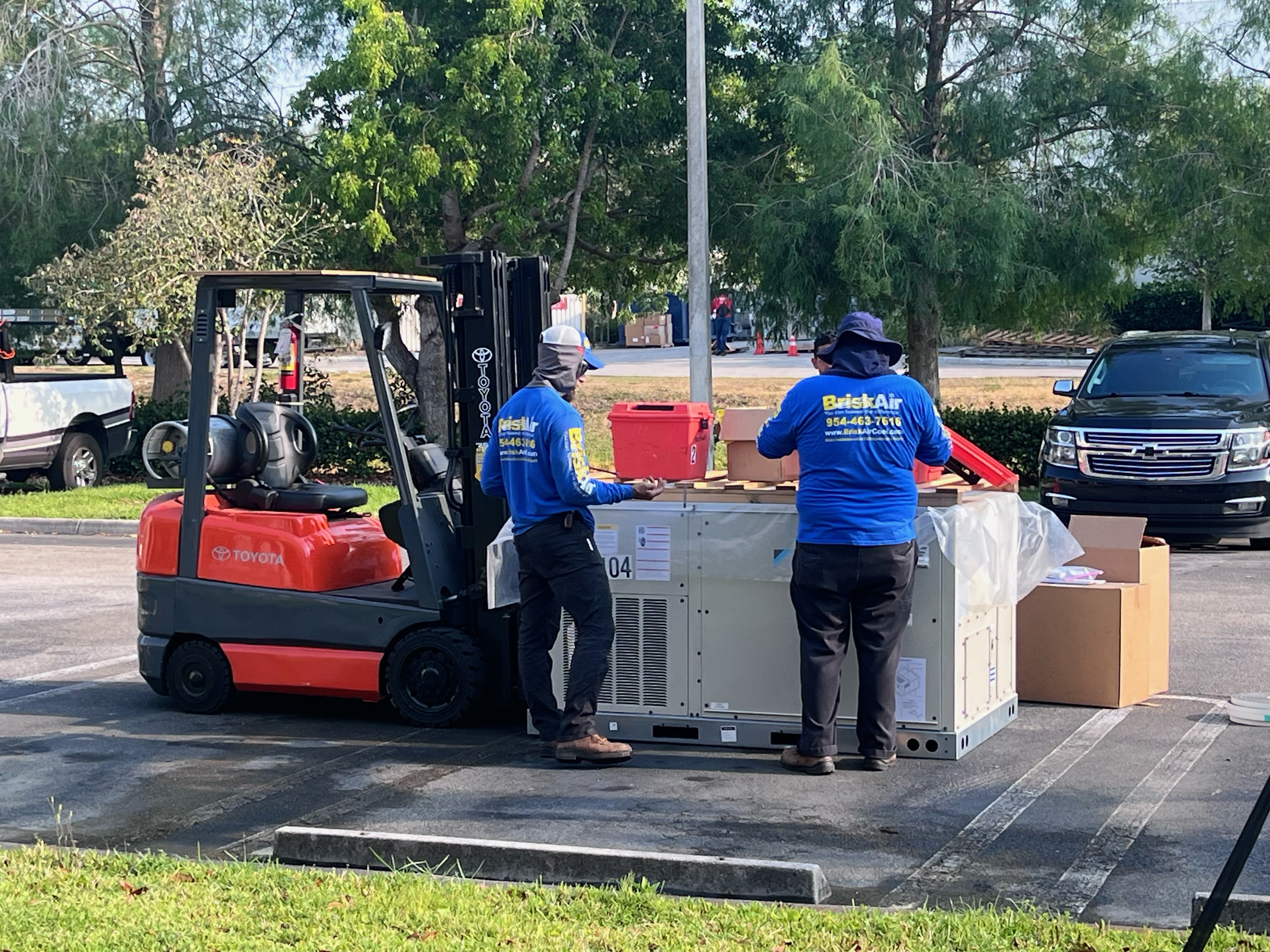
Step 1: Making the Call
The process starts with a phone call or an online request. During this step, the HVAC company will gather key details about your situation. You’ll likely be asked to describe what’s happening with your AC, when the problem started, and whether you’ve noticed anything unusual like sounds, odors, or leaks.
The information helps the technician arrive prepared. For example, knowing that your system is blowing warm air or not turning on at all can guide the tools and parts they bring along.
You may also receive an estimated arrival window, especially if the call is placed after hours. Many companies offer same-day or emergency scheduling, so response times are typically faster than standard service visits.
Clear communication during this stage helps set expectations and keeps everything moving smoothly.
Step 2: Technician Arrival and Initial Assessment
When the technician arrives, the visit begins with a brief introduction and a quick review of the issue you reported. This is a good time to share any additional details you’ve noticed since making the call.
The initial assessment focuses on the most common sources of AC problems. The technician may start by checking your thermostat settings to confirm everything is configured correctly. From there, they’ll inspect both the indoor and outdoor components of your system, looking at airflow, electrical connections, and overall system condition.
The goal is to gather enough information to narrow down the cause of the problem without unnecessary delays. Throughout the process, a good technician will keep you informed, explaining what they’re checking and why it matters.
Step 3: Diagnosing the Problem
Once the initial inspection is complete, the technician moves into a more detailed diagnostic phase. This is where experience and specialized tools come into play. By testing different components and measuring system performance, they can pinpoint the exact cause of the issue.
Common findings during emergency visits include:
- Electrical malfunctions
- Blocked drain lines
In some cases, worn-out parts or system strain from heavy use may be the source of the problem.
A clear diagnosis is essential. It prevents unnecessary repairs and ensures that the solution addresses the root cause rather than just the symptoms. Most technicians will explain their findings in straightforward terms, helping you understand what’s going on without overwhelming technical language.
Step 4: Review of Repair Options and Pricing
After identifying the issue, the technician will walk you through the recommended repair options. This includes a clear explanation of what needs to be fixed, how the repair will be completed, and how long it is expected to take.
You’ll also receive a breakdown of the costs involved. Transparent pricing is an important part of the process, giving you the opportunity to review your options and ask questions before any work begins. In many cases, there may be more than one solution, depending on the condition of your system and your long-term goals.
Once you approve the repair, the technician can move forward with confidence, knowing that everything has been clearly communicated.

Step 5: Completing the Repair
With approval in place, the technician begins the repair process. The exact work will depend on the issue, but many emergency repairs can be handled during the same visit.
Some fixes may involve replacing worn or damaged components, tightening electrical connections, or clearing blockages that are affecting airflow or drainage. If refrigerant levels are low, the system may need to be recharged after addressing any leaks.
The focus during this stage is efficiency without cutting corners. The technician works to restore your system as quickly as possible while ensuring the repair is done correctly.
In situations where a more complex issue is uncovered, a follow-up visit may be scheduled, but the idea is always to get your cooling system back up and running as soon as possible.
Step 6: System Testing and Final Checks
Once the repair is complete, the technician will test your system to confirm everything is working as expected. This includes checking airflow, temperature output, and overall system performance.
They’ll also verify that the original issue has been fully resolved. If adjustments are needed, they’ll be made during this stage to ensure consistent operation. Before wrapping up, the technician may walk you through what was done and answer any remaining questions.
A final check provides reassurance that your AC is operating safely and efficiently again.
Step 7: Maintenance Tips and Next Steps
Before leaving, the technician may offer practical advice to help you avoid future issues, such as:
- Change your air filter regularly to support steady airflow and reduce strain on the system
- Keep the outdoor unit clear of debris, plants, and buildup that can block proper operation
- Schedule routine maintenance to catch small issues before they turn into larger problems
- Consider future service or system upgrades if your AC shows signs of wear or aging
- Follow simple care practices to support long-term performance and reduce the chances of another emergency visit
- Check your thermostat settings and batteries to keep your system running as expected
- Pay attention to unusual sounds, smells, or performance changes and address them early
- Keep vents and registers open and unblocked to maintain consistent airflow throughout your home
How to Prepare Before the Technician Arrives
While emergency visits are designed to be efficient, a little preparation can help things move even faster:
- Clear a path to both the indoor and outdoor AC units so the technician can begin work without delays
- Take note of when the issue started and how the system has been behaving, including any sounds, smells, or performance changes
- Write down any recent changes, such as thermostat adjustments, power outages, or maintenance work, that could be connected to the problem
- Check your thermostat settings to confirm they are accurate and the system is set to cooling mode
- Replace or inspect the air filter if it appears clogged, as this can sometimes contribute to system issues
- Secure pets in a separate area to create a safe and distraction-free workspace
- Make sure someone is available to discuss the issue, review findings, and approve any necessary repairs
- Have your questions ready so you can make the most of the visit and feel confident about next steps
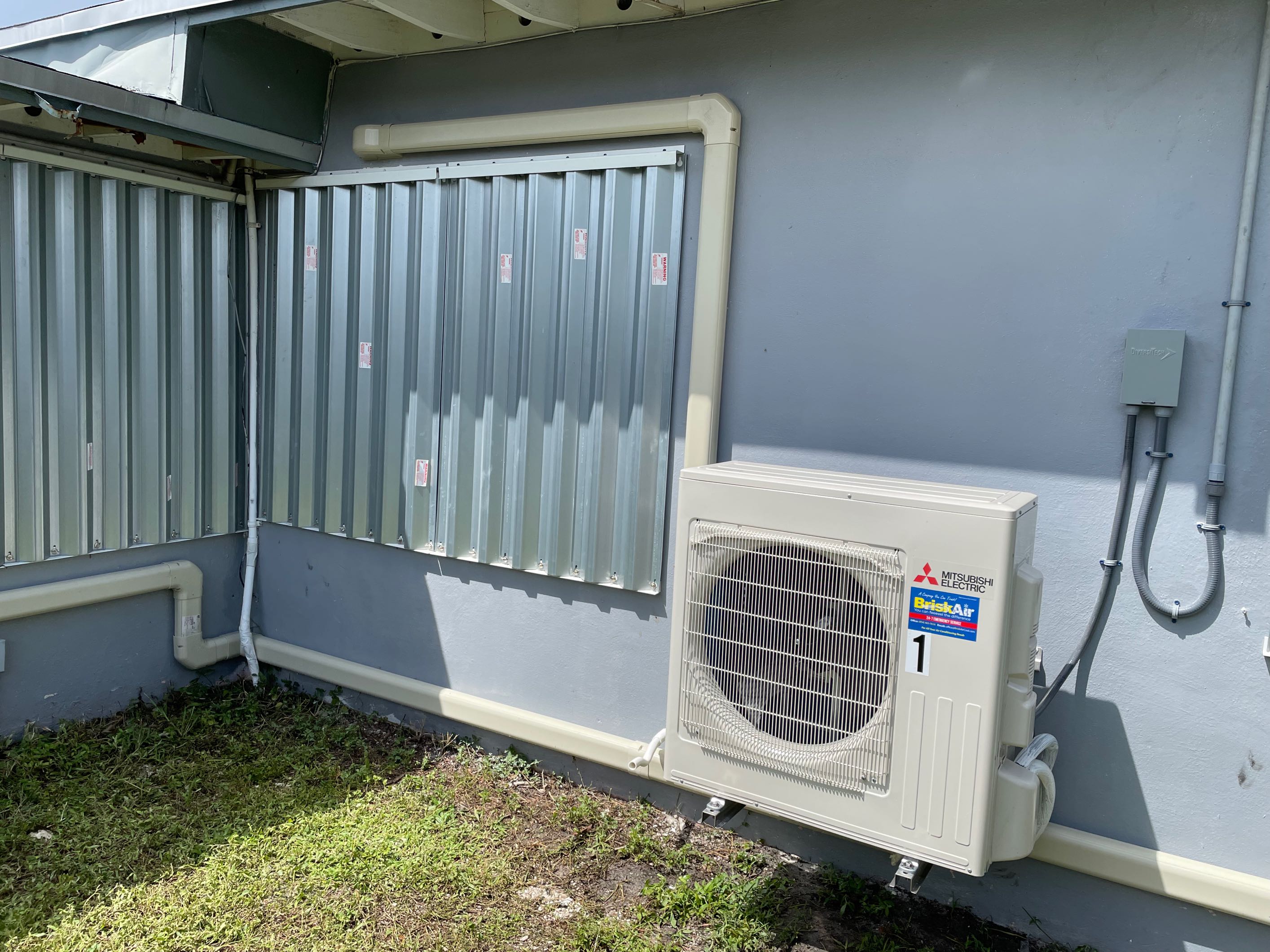
Reliable Emergency AC Repair in Coral Springs Starts Here
At Brisk Air, we offer a full range of heating and cooling services, including emergency repairs, system maintenance, and new installations. Every service is backed by upfront pricing, honest recommendations, and solutions designed to fit your budget without unnecessary pressure.
You’ll also find opportunities to save through seasonal specials, along with the confidence of guaranteed performance on every installation. From quick fixes to complete system replacements, Brisk Air stands behind every job with a commitment to your satisfaction.
Reach out today to schedule your service and bring your home back to a comfortable temperature.