

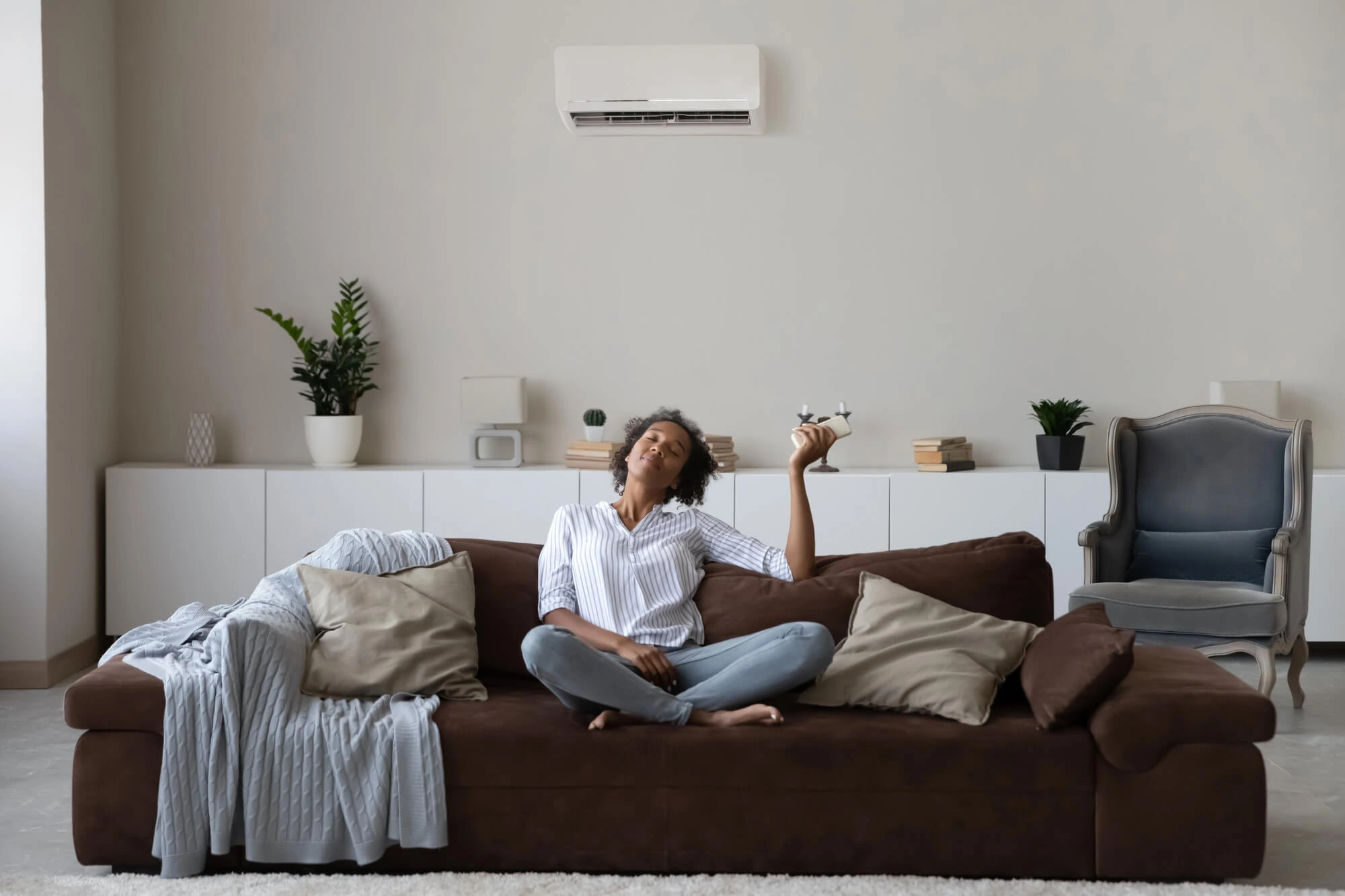
There’s nothing quite like the sudden silence of an air conditioner on a scorching day. When your AC stops working unexpectedly, it throws your comfort out the window and can quickly turn a relaxing day at home into a stressful situation.
Whether you’ve just come home to find your house feeling like an oven or your office is quickly overheating, knowing exactly what steps to take—from simple troubleshooting to calling for emergency AC repair in Coral Springs—can save time, reduce frustration, and even prevent further damage to your system.
Your Quick Action Plan for a Broken AC
Stay Calm and Take a Quick Assessment
The first thing to do when your AC shuts off unexpectedly is to pause. It’s easy to panic, especially when the heat is unbearable, but staying calm is your best ally. Taking a moment to breathe and assess the situation sets the stage for smarter decisions.
Begin by figuring out if the problem affects your entire home or just a specific room. If it’s only one room, the issue might be localized, like a blocked vent or a malfunctioning thermostat in that area.
If your entire home feels warm and there’s no cold air coming from any vent, then the problem is likely with the central system.
Check Your Power Supply and Circuit Breakers
Electricity powers your air conditioner, so it’s important to confirm that your unit is getting the juice it needs. First, make sure the AC unit is plugged in securely if it has a plug. For most central AC units, the plug might not be accessible, but the circuit breaker or fuse box is your next stop.
Head to your home’s electrical panel and look for tripped breakers or blown fuses. A breaker that flips to the “off” position or a fuse that has burned out will cut power to your AC unit.
If you spot a tripped breaker, you can reset it by switching it all the way off and then back on. Be sure to use caution here. If you aren’t comfortable working around electrical panels, it’s safer to call a professional.
If the breaker immediately trips again, or if you notice any burning smells or scorch marks near the panel, stop and call an electrician or an AC specialist immediately. These can be signs of a serious electrical problem.
Inspect the Thermostat Settings
Your thermostat controls the AC unit, so even small issues here can cause the system to stop working. Double-check that the thermostat is set to “cool” and the temperature is lower than the room temperature. If your thermostat uses batteries, replace them to ensure it’s powered properly.
If you have a programmable thermostat, it might have a schedule set that’s temporarily preventing the AC from running. Resetting or recalibrating the thermostat could resolve the issue.
Modern smart thermostats can sometimes glitch due to software updates or connectivity issues. If you suspect this, try restarting the thermostat or consulting the manufacturer’s instructions.
Look for Obvious Problems with Your AC Unit
Once power and thermostat settings are verified, inspect the unit itself for any visible issues.
Start with the air filter. A dirty or clogged filter restricts airflow, making it harder for the system to cool your home and sometimes causing it to shut down as a safety measure. If the filter looks dirty, replace it or clean it if reusable.
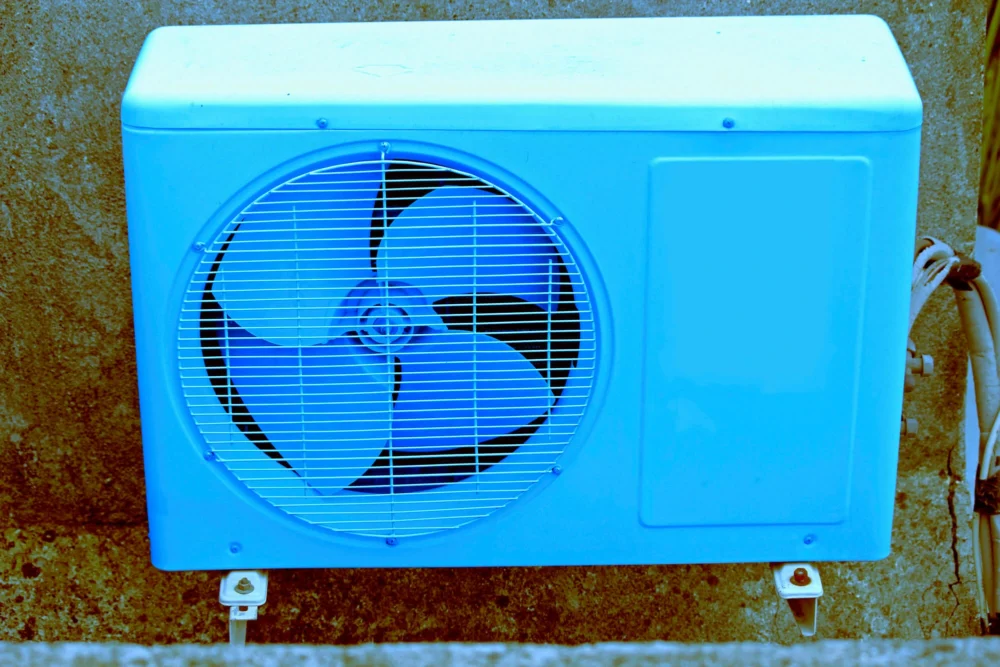
Next, check the outdoor condenser unit. This is the large box outside your home that expels heat. Make sure it’s free of debris like leaves, dirt, or grass clippings that could block airflow. Also, look for any physical damage such as bent fins or broken parts.
Inside the unit, frozen coils are a common cause of AC shutdowns. Ice can form on the evaporator coils when airflow is restricted or refrigerant levels are low, forcing the system to stop to avoid damage. If you see ice buildup, it’s best to turn off the system and call a professional.
Water leaks around the indoor unit or dripping near the outdoor condenser can also indicate a blocked drain line or refrigerant leak. These issues often require a trained technician to fix.
Try Basic Troubleshooting Steps
If you’ve completed the initial checks, there are a few simple troubleshooting steps to try before calling for help.
First, turn off your AC unit completely and give it about 10 minutes to reset. Sometimes, electronics need a moment to clear any minor faults.
While it’s off, if your air filter was dirty, replace it. Cleaning or replacing filters regularly keeps your system running.
If the outdoor unit was blocked by debris, clear it away carefully. Keep plants, leaves, and other items at least two feet away from the condenser to ensure proper airflow.
Once everything is clear and dry, turn the system back on and see if it starts cooling again. If it does, great! You may have avoided a bigger problem. But if it still doesn’t work or if the problem recurs quickly, it’s time to call in a professional.
Know When to Call Emergency AC Repair
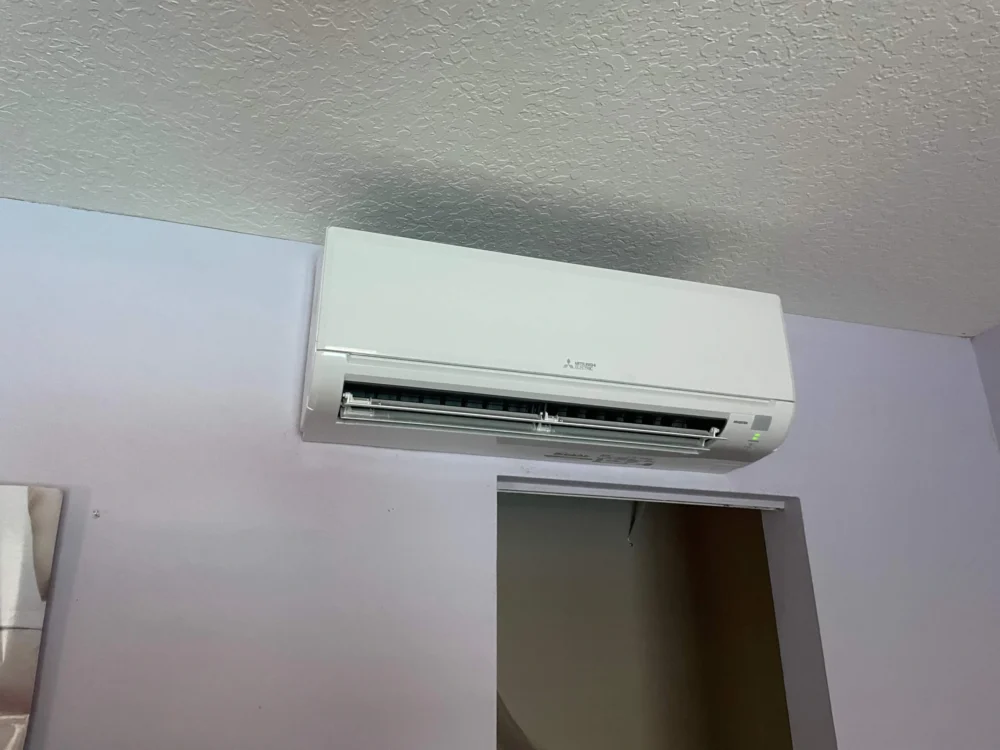
Some problems require immediate professional attention. If you notice unusual sounds like grinding, screeching, or banging, this could indicate serious mechanical issues. Burning smells suggest electrical faults that can be dangerous.
Water leaking indoors from the AC unit may cause damage to your home and must be addressed as soon as possible.
When Your AC Won’t Power On
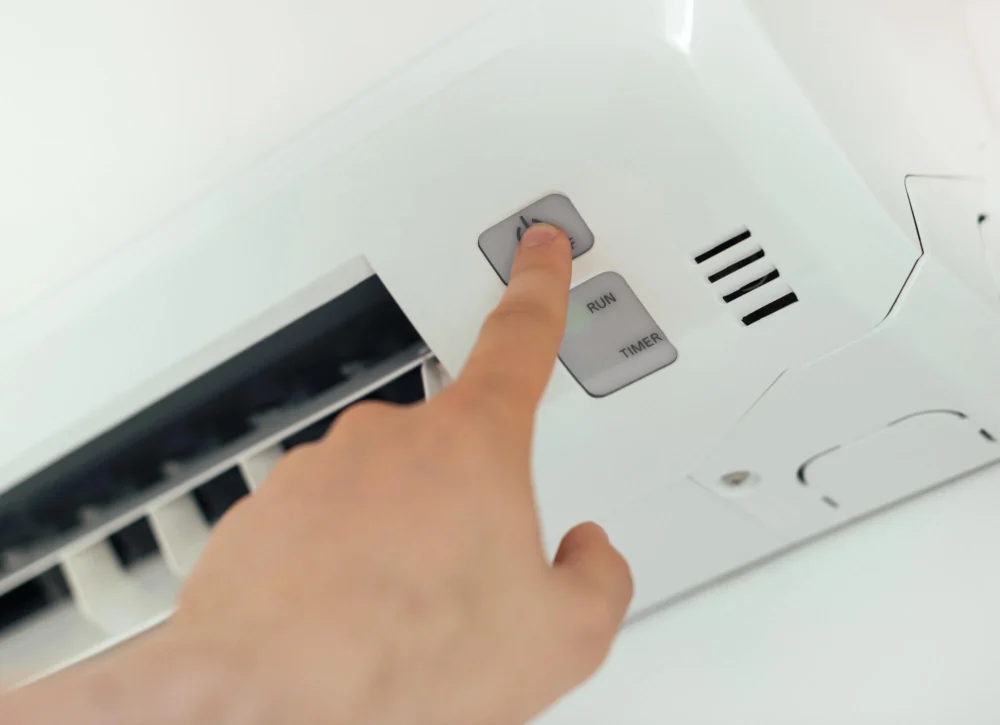
If your AC doesn’t power on even after resetting breakers and checking the thermostat, don’t keep trying to force it. Persistent failure to start is often a sign of a significant electrical or mechanical fault.
Choosing the Right Emergency AC Repair Service
Calling an emergency AC repair service ensures a trained technician can diagnose and fix the problem.
When searching for an emergency repair company, look for licensed, insured professionals with good reviews and clear communication. Fast response times and upfront pricing help reduce stress during the emergency.
How to Stay Comfortable While Waiting for Repairs
Waiting for an AC repair technician can be uncomfortable, but there are ways to stay cool while you wait:
- Use fans to circulate air inside your home. A combination of ceiling fans and portable fans can help improve airflow. Placing a bowl of ice in front of a fan creates a cool breeze.
- Keep blinds and curtains closed during the hottest parts of the day to block direct sunlight. Avoid using heat-generating appliances like ovens or dryers, which can raise indoor temperatures.
- Stay hydrated by drinking plenty of water. Use damp cloths or cold towels on your skin for relief.
- Take cool showers or baths to help lower your body temperature.
- If the heat becomes too intense, consider spending time in air-conditioned public places such as libraries, shopping centers, or community centers.
- For vulnerable individuals such as children, elderly family members, or pets, take extra precautions to prevent heat-related health risks.
Preventing Future AC Emergencies
While sudden breakdowns are stressful, many can be prevented with regular maintenance. Scheduling routine tune-ups with a trusted HVAC professional helps catch small issues before they escalate.
This includes checking refrigerant levels, cleaning coils, inspecting electrical components, and replacing filters.
Keeping your outdoor unit clear of debris and maintaining proper airflow around it also extends the life of your system.
Need Fast, Honest Emergency AC Repair in Coral Springs?
When your AC breaks down, you want a team that’s clear, reliable, and gets the job done right the first time. Brisk Air offers honest solutions, upfront pricing, and a full range of heating and cooling services—repairs, maintenance, and flawless installations included.
We back our work with 100% satisfaction and specials that save you money. Reach out to Brisk Air today to keep your home cool and comfortable, no matter the season!