

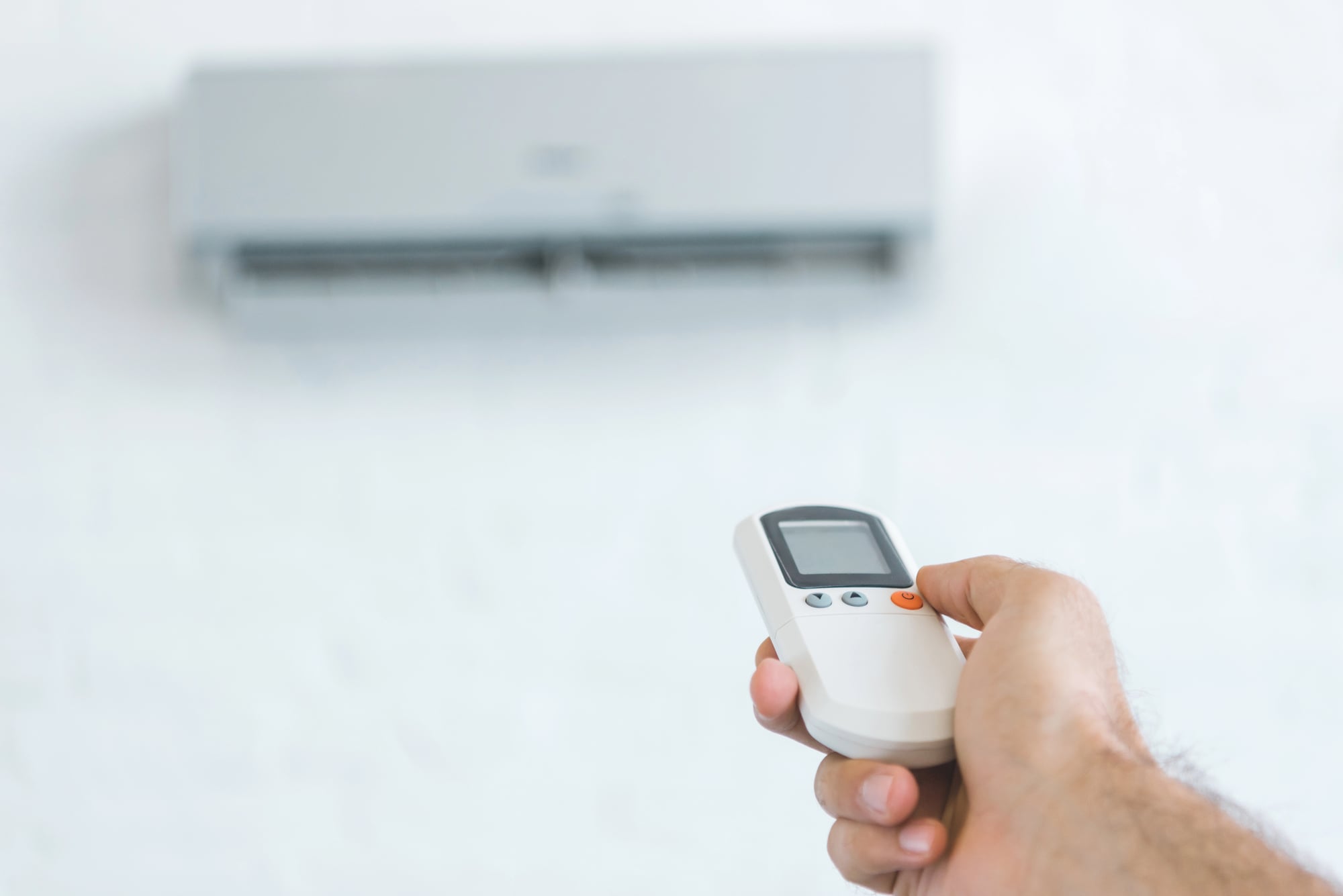
Have you ever noticed your AC in Coral Springs working harder during a heatwave or feeling less effective when it’s humid outside? It’s no coincidence. Weather conditions can directly affect the efficiency of your air conditioner, from the temperature and humidity to the impact of storms.
If you understand the effects, you can optimize your AC’s performance, reduce energy bills, and avoid costly breakdowns.

The Basics of Air Conditioner Efficiency
Efficiency is often measured by the SEER (Seasonal Energy Efficiency Ratio) rating, which tells you how much cooling your AC provides for every unit of energy it consumes. The higher the SEER rating, the more efficient the system is.
Other factors include:
Size of the AC Unit
An appropriately sized AC system is crucial for efficiency. If the unit is too small, it will struggle to cool your home, using more energy. If it’s too large, it can short-cycle, leading to wasted energy.
Proper sizing depends on square footage, insulation, and climate.
Condition of AC Components
Regular maintenance ensures that all parts (filters, coils, compressor, etc.) function properly. If parts are dirty, damaged, or aging, the system must work harder to maintain performance, leading to inefficiency.
Regular servicing, such as cleaning coils and changing filters, helps keep the system running at optimal efficiency.
Home Insulation
Good insulation keeps cool air inside and prevents hot air from entering, reducing the workload on your AC. Well-insulated homes maintain a stable indoor temperature, allowing your AC to run less often or for shorter periods, which boosts energy efficiency.
But weather conditions? They can significantly alter how well your air conditioner functions, and without proper adjustments or preventative measures, your system can easily become less effective.
The Impact of Heat
High Outdoor Temperatures
During the summer months, outdoor temperatures can soar, placing additional strain on your air conditioning system. The hotter it is outside, the harder your AC has to work to cool your home. This means your system will be running longer, consuming more energy, and potentially experiencing more wear and tear.
If your AC unit isn’t properly sized for your home, or if it hasn’t been properly maintained, it might struggle to keep up with the heat, leading to inefficient cooling and higher energy bills.
Additionally, constant operation in extreme temperatures can lead to overheating, which can damage internal components of your system.
Solutions to Combat Heat-Related Efficiency Loss
There are several ways to help your AC work more efficiently during hot weather. First, make sure your home is well-insulated. Proper insulation keeps the cool air inside and reduces the burden on your AC. If your home is poorly insulated, you might find that even the most powerful AC system struggles to keep up.
Next, consider shading your outdoor unit. The more heat it’s exposed to, the harder it has to work. Using shade from trees, awnings, or other structures can lower the ambient temperature around your AC unit, allowing it to run more efficiently.
Lastly, keep your thermostat settings in check. Even during the hottest days, you don’t need to set your thermostat as low as possible. A setting between 75-78°F is usually comfortable and won’t overwork your system.
Humidity and Its Role in AC Efficiency
High Humidity
When the air is humid, your AC must work harder to not only cool the air but also remove moisture. The extra workload can lead to higher energy consumption and can even make your AC system less efficient in extreme conditions.
In regions with high humidity, you might notice that even though your AC is running constantly, the air still feels damp or sticky. This is because the system is struggling to keep up with both the cooling and dehumidification processes.
A system that can’t handle the additional moisture might lead to poor indoor air quality and even potential mold growth if the moisture isn’t adequately removed.
Low Humidity
Low humidity can also affect your comfort and your air conditioner’s efficiency. While a dry environment may feel comfortable for a while, it can lead to excessively dry air in your home, causing discomfort for your skin, eyes, and throat.
While your air conditioner can cool the air, it doesn’t have the capability to add moisture, leaving you with an overly dry indoor environment.
Practical Solutions
If you live in a humid area, investing in an AC unit with built-in dehumidification capabilities can help. Many modern units are designed to remove excess moisture from the air while cooling, which can improve overall comfort and efficiency.
Alternatively, using a separate dehumidifier in areas where humidity is particularly high (like basements) can help take some of the load off your AC, allowing it to cool the air more efficiently.
If you’re experiencing overly dry air, consider using a humidifier alongside your AC. It will help maintain the right balance of moisture, keeping both your home and your air conditioner functioning at their best.
The Impact of Cold Weather
Low Outdoor Temperatures
Although air conditioners are primarily used for cooling, many modern systems also have heating capabilities through heat pumps. In colder months, your AC unit might need to switch to heating mode, which can reduce its efficiency if not properly maintained.
However, running an air conditioner during extremely cold weather can cause damage to the system. Most AC units aren’t built to operate efficiently in freezing conditions, and running the system in such weather can lead to malfunctions or complete failure of certain components.
Solutions for Cold Weather
To prevent damage to your air conditioner during the colder months, ensure it’s properly shut down and maintained for the off-season. If your system has a heat pump, make sure it’s equipped with freeze protection.
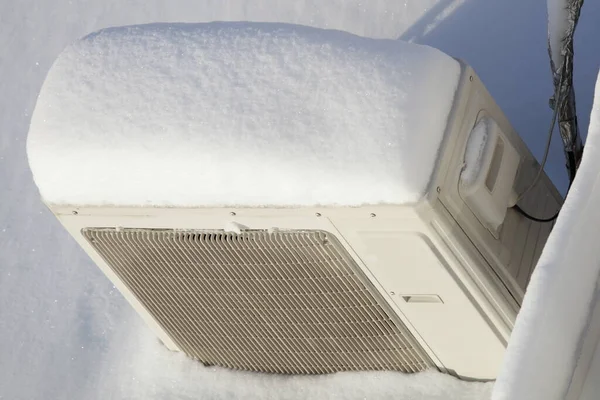
It’s also a good idea to cover your outdoor unit to keep snow, ice, or debris from accumulating, which could block airflow and lead to inefficiency.
Regular maintenance during the off-season is essential, so schedule a professional inspection to ensure your unit is prepared for the change in seasons.
Storms and Severe Weather Events
Heavy Rain, Wind, and Storms
Severe weather events such as storms, high winds, and heavy rain can wreak havoc on your AC system. High winds can cause physical damage to the outdoor unit, dislodging components, or even knocking debris into the system.
Heavy rainfall or flooding can also cause water damage, especially if the system’s drainage is blocked or overwhelmed.
Power outages during storms can lead to inefficiency when the power is restored. If your AC unit has been running during a power surge or outage, it might need some time to return to full operation.
Preventive Measures
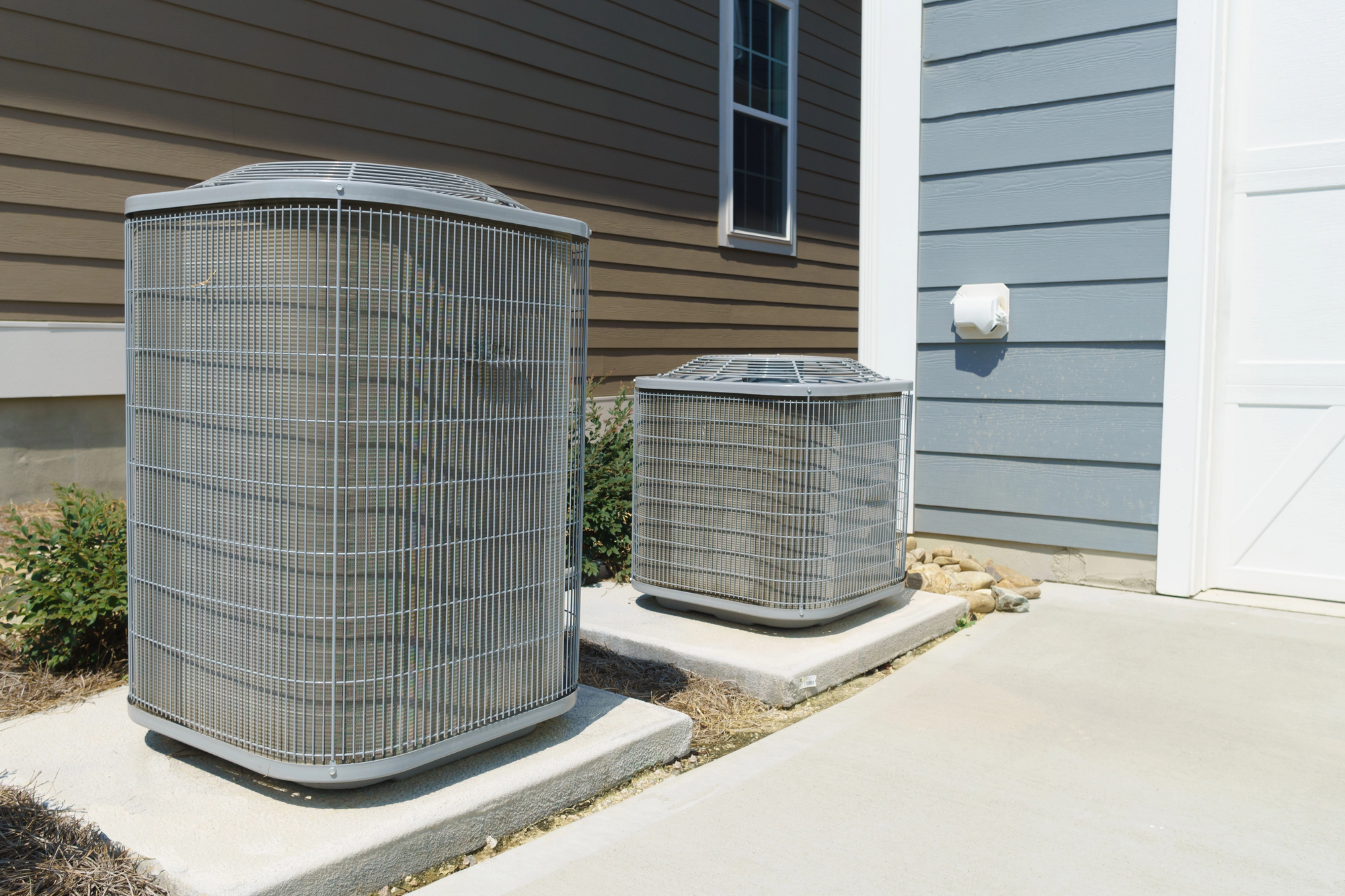
Protecting your AC unit from the elements can be as simple as installing a protective cover around the outdoor unit. In the event of a storm, make sure the area surrounding your unit is clear of debris. Also, consider installing a surge protector to safeguard against electrical damage during power surges.
After a storm, inspect your system to ensure everything is working properly. A professional technician can check for hidden damage and perform any necessary repairs to restore your system’s efficiency.
Protect Your AC in Coral Springs with Expert Maintenance and Repairs
From summer heat to winter cold, humidity levels to storms, your AC needs extra care during extreme weather conditions to perform at its best.
If you’re noticing a decline in your AC’s efficiency or you need help preparing it for the seasons ahead, don’t hesitate to reach out to Brisk Air. We offer a broad range of heating and cooling services, including AC installation, repairs, and maintenance.
With upfront pricing that fits any budget, honest, no-pressure solutions, and specials that save you money, we guarantee flawless performance on all our heating and AC replacements and installations. Contact us today to request a service!