

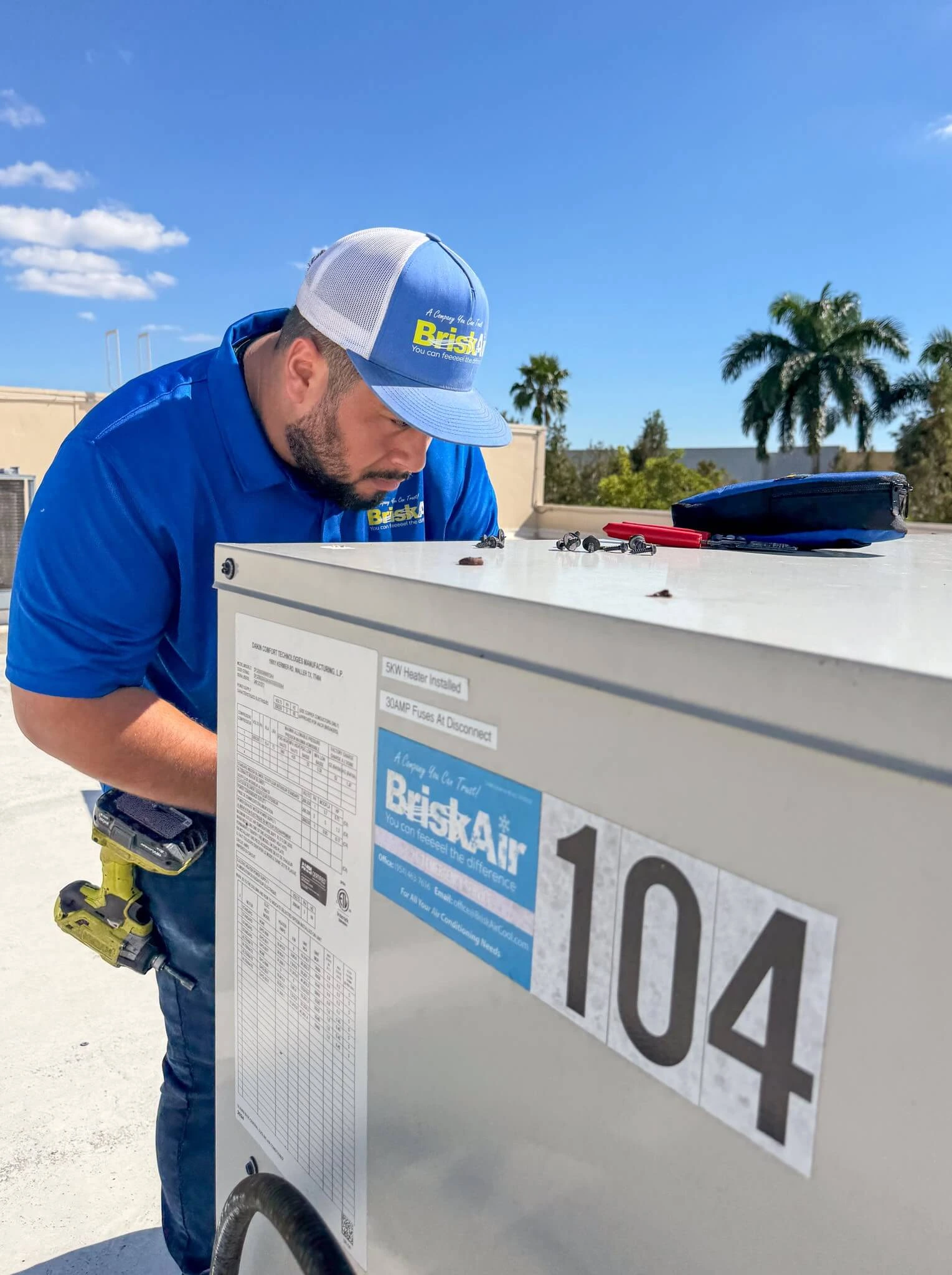
Running a business means juggling many priorities: employee productivity, customer comfort, and operating costs. A malfunctioning or inefficient AC can undermine all three, creating hot spots, unhappy customers, and soaring energy bills.
If your commercial space is due for an upgrade, you might be weighing two main options: ductless systems or central air conditioning. Both can keep your building cool and comfortable, but they work in very different ways.
The right choice of commercial air conditioning in Coral Springs, FL, depends on your building layout, budget, and daily operations.
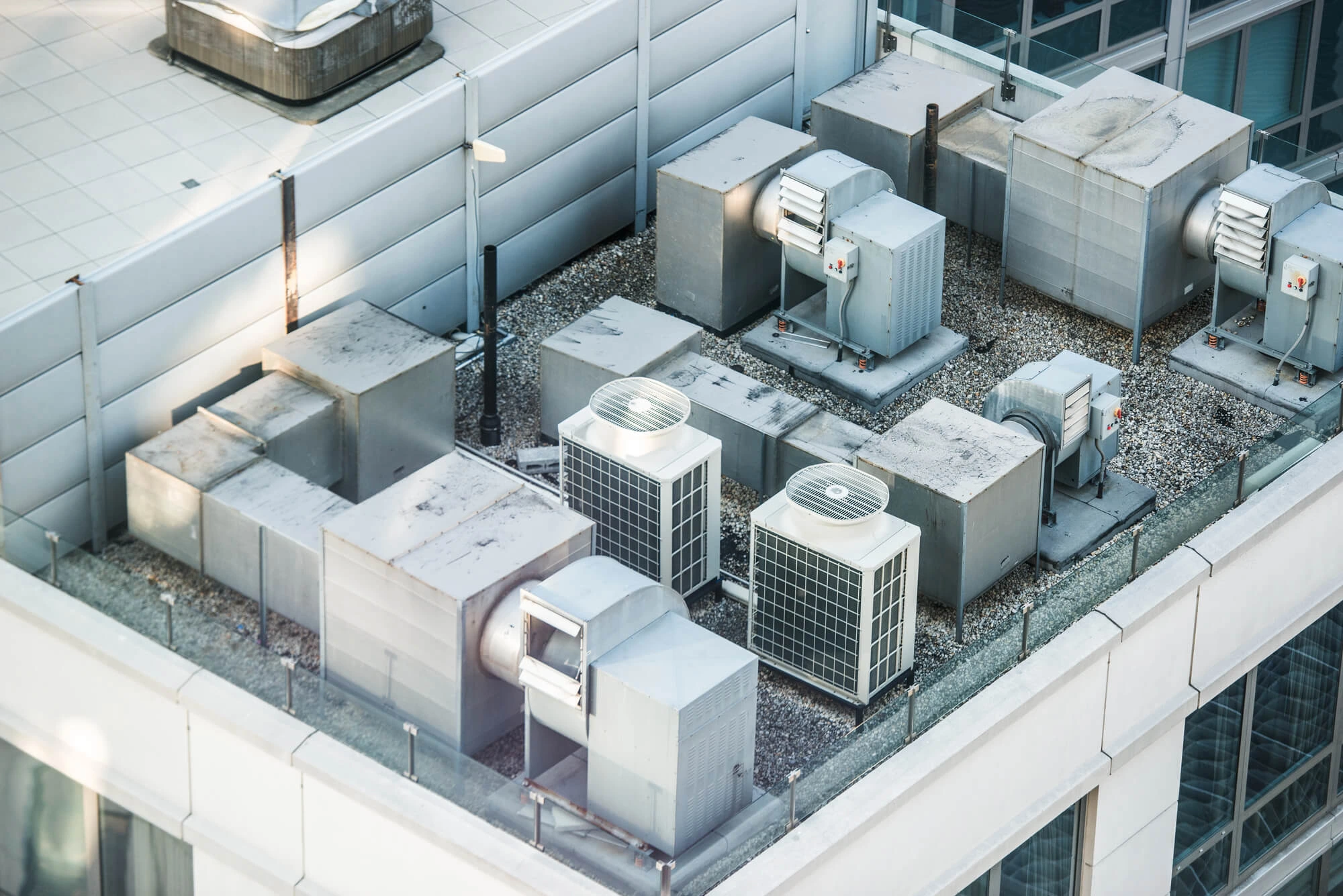
Your Commercial AC Options
Before making a decision, it helps to understand how ductless and central air systems work.
What Is Central Air?
Central air conditioning is what most people imagine when they think of air conditioning: a single, powerful system that cools an entire building through a network of ducts. Air is pushed through vents into every room or zone, delivering consistent cooling across large areas.
Central air is a go-to solution for offices, retail stores, and large commercial spaces where uniform climate control is a priority.
Central air systems are often integrated into the building’s design, with ductwork hidden in ceilings or walls. While installation can be more involved, especially in older buildings, these systems offer strong performance for large or multi-story spaces.
Efficiency can vary, so pairing central air with modern, high-SEER (Seasonal Energy Efficiency Ratio) units and proper maintenance is key.
What Is Ductless AC?
Ductless air conditioning, also known as mini-split systems, works differently. Instead of one central unit pushing air through ducts, ductless systems use one or more indoor units that are individually mounted on walls or ceilings.
Each unit is connected to an outdoor condenser and can cool a specific zone independently of other areas.
The zoned approach makes ductless AC ideal for businesses that need flexibility. It’s especially practical for retrofits or buildings without existing ductwork, older structures, or spaces where installing ducts would be costly or disruptive.
Ductless systems offer quiet operation and precise temperature control in each zone, letting you tailor cooling to where it’s needed most.
Key Differences Between Ductless and Central AC
When evaluating which system fits your business, there are several key differences to consider:
Installation
Central air typically requires significant installation work, especially in buildings that don’t already have ducts. The process may involve installing ductwork, vents, and a central air handler, which can be time-consuming and potentially disruptive to operations.
Ductless AC, on the other hand, installs much more quickly. Each indoor unit connects directly to an outdoor condenser, meaning there’s no need for extensive ductwork or remodeling.
Energy Efficiency
Energy efficiency can vary depending on the size of your building and how the system is used.
Central air can be very efficient for large, open spaces because it cools a large area uniformly. However, if some rooms are used infrequently, energy can be wasted cooling unoccupied spaces.
Ductless systems excel at targeted cooling, allowing you to cool only the zones that need it. Zoning can reduce energy costs while maintaining comfort exactly where it matters.
Cost
Upfront costs are often higher for central air due to the extensive installation requirements. Ductless systems may have higher per-unit costs if you need multiple units to cover a large space, but installation is generally faster and less invasive.
Over time, operating costs can favor either option depending on building size, usage patterns, and energy efficiency strategies.
Maintenance
Maintenance for central air includes cleaning coils, inspecting ductwork, and ensuring the system runs efficiently. Neglecting such tasks can lead to decreased performance and higher energy bills.
Ductless units require periodic filter cleaning and minor upkeep but generally have fewer components that require intensive maintenance.
Both systems benefit from professional inspections and seasonal servicing to extend lifespan and maintain performance.
Space and Design Considerations
Central air integrates seamlessly into a building’s design, with vents and ductwork largely hidden from view.
Ductless systems are more visible, with indoor units mounted on walls or ceilings, but their compact design and modern finishes allow them to blend into most spaces without being obtrusive.
Pros and Cons of Each System
Knowing the advantages and limitations of each system can clarify which option aligns with your business needs.
Ductless AC Pros and Cons
Pros:
- Flexible installation, especially for retrofits or spaces without existing ducts
- Zoned temperature control for precise comfort in individual areas
- Quiet operation, ideal for offices, small retail spaces, or conference rooms
Cons:
- Costs can add up if multiple units are needed for a larger space
- Indoor units are visible, which may affect aesthetics
- Capacity is limited in very large buildings, meaning you may need additional units
Central AC Pros and Cons
Pros:
- Efficient at cooling large, open spaces uniformly
- Hidden system that integrates into the building’s structure
- Compatible with building automation systems for more advanced climate control
Cons:
- Installation is disruptive and often more expensive upfront
- Ductwork may require repairs or cleaning over time
- Less flexibility for individually controlling temperatures in separate zones

Factors to Consider When Choosing
Choosing the right system requires evaluating several practical factors:
Building Size and Layout
Large multi-story office buildings or expansive retail spaces often benefit from central air because of its ability to deliver consistent cooling across all areas.
Smaller offices, boutique shops, or buildings with multiple zones may be better suited for ductless systems, which provide flexible, targeted cooling.
Budget
Upfront installation costs and long-term operating costs both matter. Central air may have higher initial costs due to ductwork and system size, but it can be cost-effective in large, consistently used spaces.
Ductless systems generally have lower installation costs but could be more expensive if you need multiple units. Consider both immediate expenses and long-term energy savings when deciding.
Energy Efficiency Goals
If minimizing energy use is a priority, ductless systems offer excellent zoned cooling. You can avoid cooling unoccupied spaces, reducing electricity costs.
Central air systems can be efficient too, especially when combined with modern, high-efficiency units and smart thermostats, but they may not allow the same level of targeted control.
Renovation or Retrofit Projects
If you’re upgrading an existing building without ductwork, ductless systems often provide a faster, less invasive solution.
Central air may require extensive construction to accommodate ducts, which can disrupt operations and increase costs.
Comfort and Occupant Needs
Think about how different areas of your building are used. Conference rooms, break areas, and offices may require different temperatures for maximum comfort.
Ductless systems allow individualized control for each zone, while central air distributes air uniformly, which can be ideal for larger open areas.
Professional Guidance and Installation Tips
Even with all the information in the world, choosing the right commercial AC system can be complex. Consulting HVAC professionals ensures your system is properly sized, installed, and optimized for efficiency.
Experts can evaluate your building layout, usage patterns, and energy goals, recommending solutions that avoid unnecessary costs and maximize performance.
When considering installation, keep an eye on system ratings like SEER or EER, which indicate efficiency. Proper professional installation not only improves performance but can also extend the life of your equipment and reduce future repair costs.
Finally, watch for early warning signs that your system may need attention, such as:
- Uneven cooling or persistent hot spots
- Unusual noises or vibrations during operation
- Rising energy bills without increased usage
- Weak airflow from vents or indoor units
- Frequent cycling or difficulty maintaining set temperatures
Commercial Air Conditioning in Coral Springs, FL You Can Count On
From new installations to fast repairs and routine maintenance, Brisk Air helps keep your commercial space running smoothly. Expect clear pricing, honest recommendations, money-saving specials, and dependable results on every job.
Reach out today and let’s take care of your air conditioning the right way!