

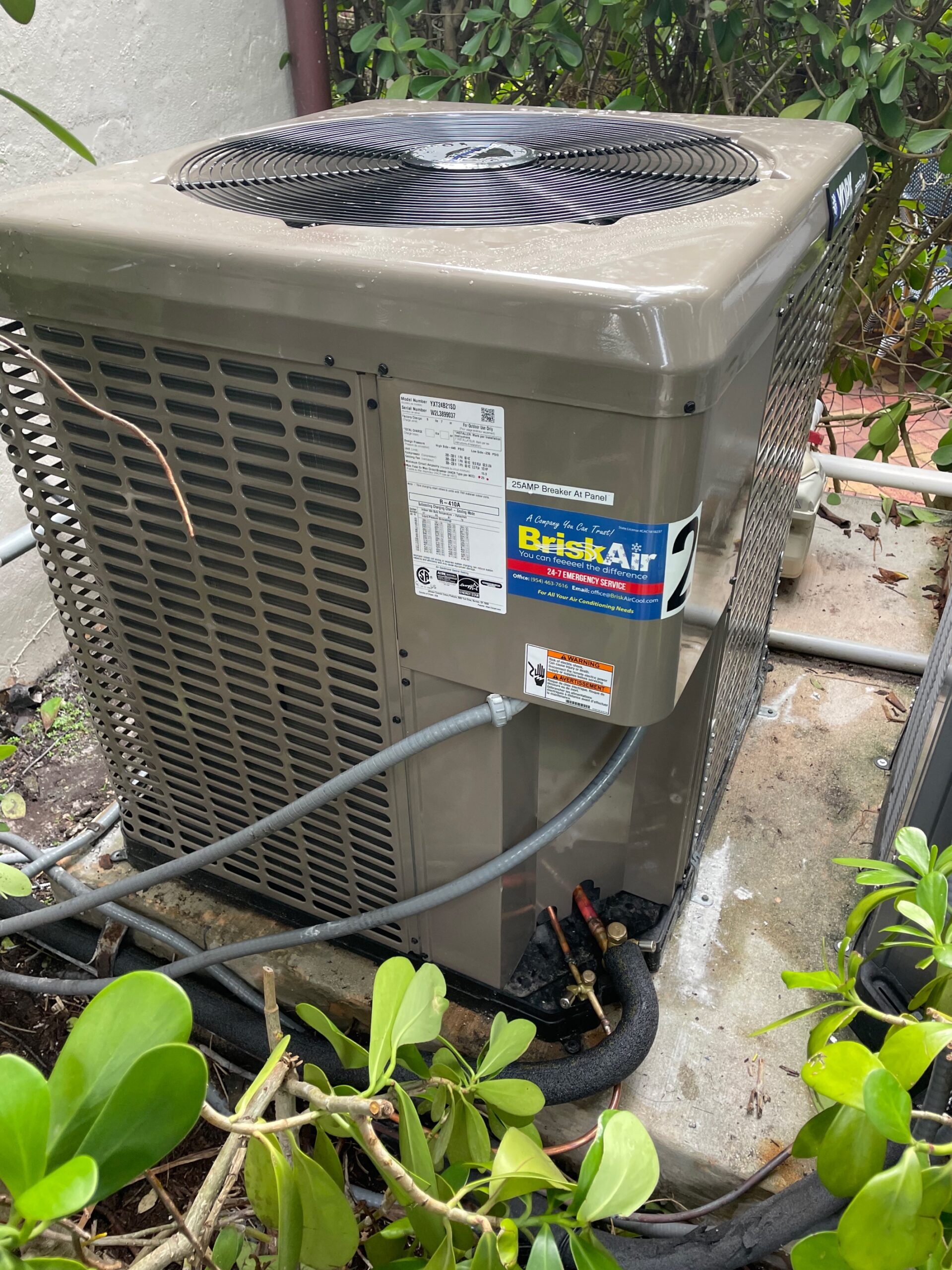
The first cold front of the season rolls through, and you switch the thermostat to heat for the first time in months. A few minutes later, you hold your hand up to a vent and feel air that’s lukewarm at best. Before you schedule HVAC service in Coral Springs, FL, it helps to know that this isn’t always a sign of trouble.
Heat pumps warm a home differently than furnaces do, so some cool-feeling air is completely normal. Other times, though, it points to a settings mix-up, an airflow problem, or a component that keeps your home heating system from doing its job.
How a Heat Pump Warms Your Home
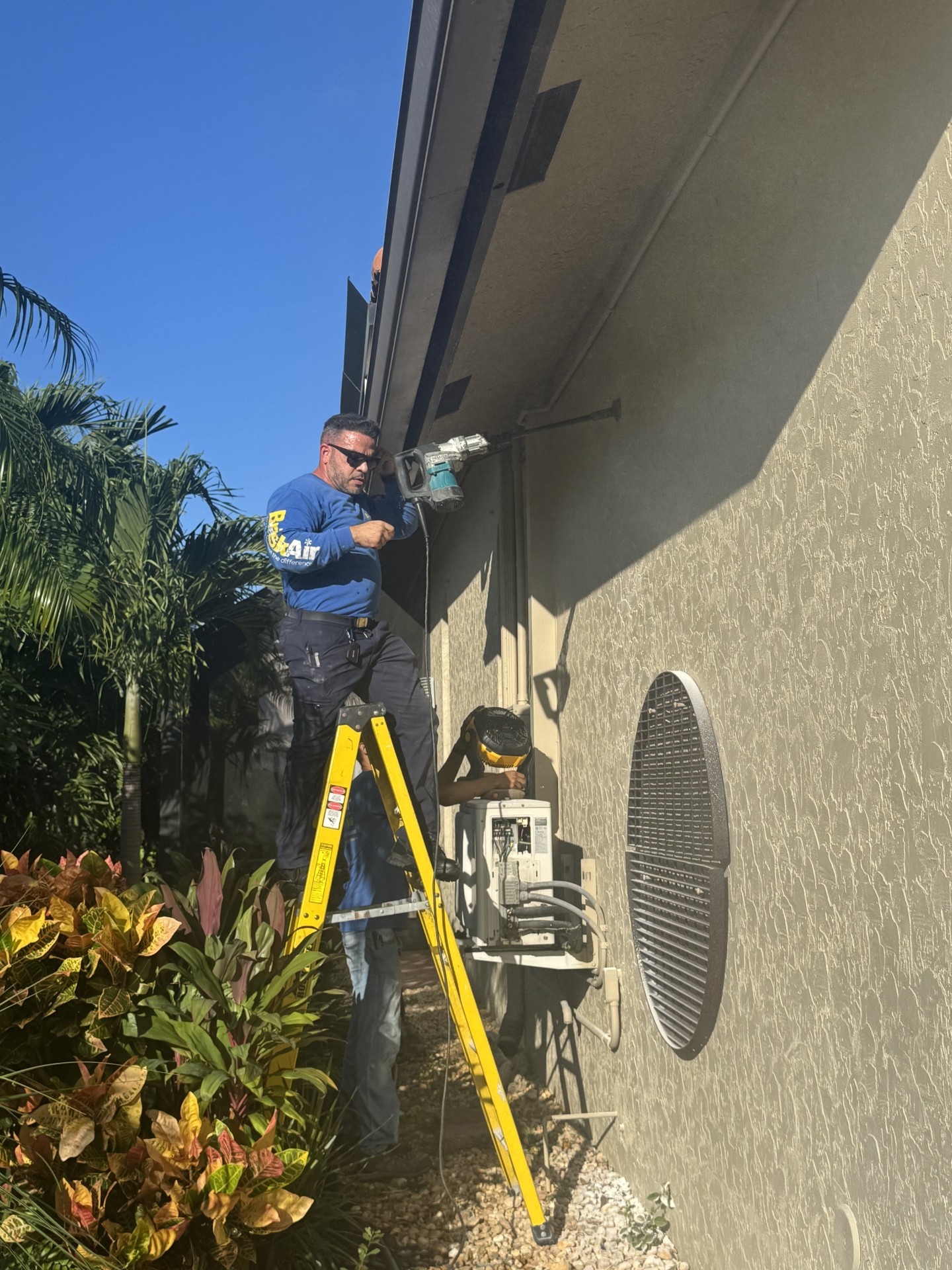
Unlike a furnace, a heat pump doesn’t burn fuel. It moves heat instead of creating it, pulling warmth from the outdoor air and moving it inside with refrigerant. It’s essentially your air conditioner running in reverse.
The process is very efficient, especially in a mild climate like South Florida’s. Even on a chilly evening, there’s still plenty of heat in the outdoor air for the system to capture.
Why Warm Air Can Still Feel Cool
Air coming from a heat pump in heat mode is usually somewhere in the 90s°F. That’s warm, but it’s close to your body temperature of about 98.6°F. When that air moves across your hand, it can feel lukewarm or even slightly cool.
If you’re used to the hotter blast of a gas furnace, the difference is even more noticeable. The key question is whether your home is gradually warming up. If the indoor temperature is steadily climbing toward your thermostat setting, the system is likely doing exactly what it should.
Common Reasons Your Heat Pump Is Blowing Cool Air
If the air stays cool and your home isn’t warming up, something is getting in the way.
Thermostat Settings
The simplest explanation is often a thermostat setting. If the fan is set to “On” instead of “Auto,” it keeps blowing air between heating cycles, even when the system isn’t producing heat. That room-temperature air can feel cool coming out of the vents.
It’s also worth confirming the thermostat is actually in heat mode, not cool or an auto mode that hasn’t switched over. If you recently replaced your thermostat, it may not be configured correctly for a heat pump. A wiring or setup error can send the system into cooling mode when it’s asked to heat.
The Defrost Cycle
In cold, damp conditions, frost can build up on the outdoor coil. To clear it, the heat pump briefly switches into cooling mode, which warms the outdoor coil and melts the frost. During this time, the air from your vents may feel cool, and you might see steam rising from the outdoor unit.
Defrost cycles usually last only a few minutes and are completely normal. They’re uncommon in South Florida’s mild winters, but they can happen during an unusual cold snap. If the cool air lasts much longer, or the outdoor unit stays covered in ice, the defrost system may not be working properly.
Restricted Airflow
A heat pump needs steady airflow to move heat into your home. A dirty air filter, blocked return vents, or dirty coils can all reduce that airflow. When less air passes over the indoor coil, less heat reaches your rooms, and the system has to work harder to keep up.
Low Refrigerant
Refrigerant is what carries heat from outside to inside. If there’s a leak, the system has less refrigerant to work with, which means weaker heat output and longer run times. Warning signs include a hissing or bubbling sound, ice on the refrigerant lines, and higher-than-usual energy bills.
Refrigerant isn’t something that gets “used up,” so low levels almost always point to a leak. Handling refrigerant requires certification and specialized equipment, which is why it belongs on the list of repairs you shouldn’t DIY.
A Faulty Reversing Valve
The reversing valve is the component that lets a heat pump switch between heating and cooling. It changes the direction refrigerant flows through the system. If the valve sticks or its solenoid fails, the heat pump can get stuck in cooling mode no matter what the thermostat says.
A technician can test the valve and its electrical controls to determine whether it needs repair or replacement.
The Outdoor Unit Isn’t Running
The outdoor unit is where your heat pump collects heat. If the indoor fan is running but the outdoor unit is silent, no heat is being gathered, and the indoor unit just circulates room air.
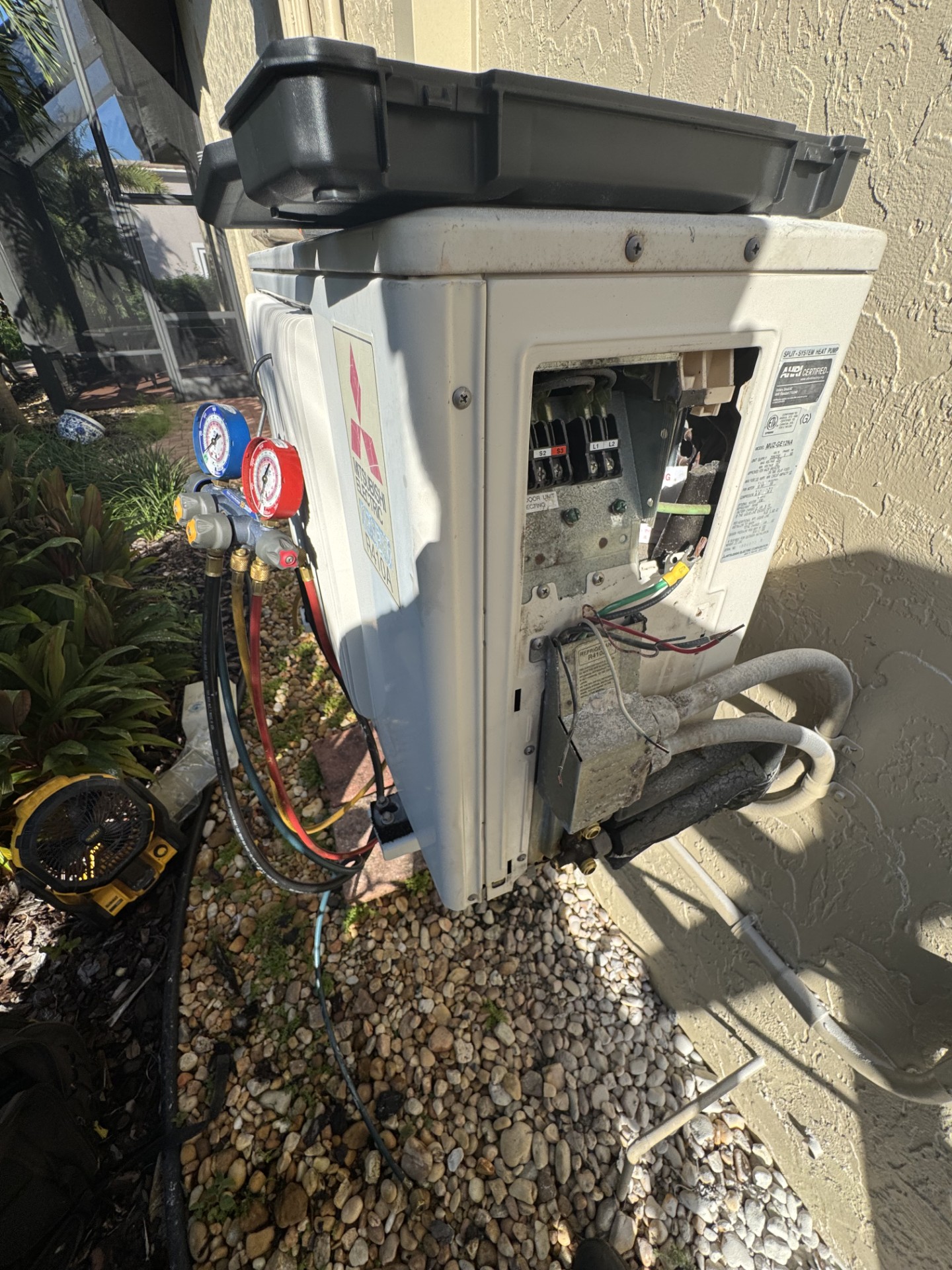
Common causes include a tripped breaker, a failed capacitor, or a faulty contactor. Some of these are quick fixes for a professional, but they involve high-voltage components that aren’t safe to handle on your own.
Leaky or Poorly Insulated Ducts
In many Florida homes, ductwork runs through the attic. If those ducts have leaks or gaps, heated air can escape before it ever reaches your living space. According to ENERGY STAR®, a typical home loses about 20 to 30 percent of the air moving through its ducts to leaks and poor connections.
The result is air that feels cooler at the vents and rooms that never quite warm up. Professional air duct services can locate leaks and determine whether sealing, repair, or replacement makes the most sense.
Quick Checks to Try Before Calling a Technician
Before scheduling a service visit, a few simple checks can rule out the easy fixes:
- Confirm the thermostat is set to heat and the fan is set to auto.
- Raise the set temperature a few degrees above room temperature, then wait 10 to 15 minutes.
- Check the air filter and replace it if it looks dirty.
- Make sure supply and return vents are open and unblocked.
- Look at the outdoor unit to see whether it’s running and clear of leaves or debris.
- Check your breaker panel for a tripped breaker.
If a breaker trips again after you reset it, don’t keep resetting it. Repeated trips usually point to an electrical issue that needs a professional.
Frequently Asked Questions
Is It Normal for a Heat Pump to Blow Cool Air for a Few Minutes?
Yes. Brief cool air can happen at the start of a heating cycle, while the fan runs between cycles, or during a defrost cycle. It becomes a concern when it lasts and your home isn’t warming up.
What Temperature Should the Air From a Heat Pump Be?
In heat mode, supply air typically lands somewhere in the 90s°F. It feels milder than furnace air, but it should still raise your indoor temperature steadily.
Do Heat Pumps Work Well in South Florida Winters?
Yes. South Florida’s mild winters are well suited to heat pumps, since there’s almost always enough heat in the outdoor air for the system to capture.
Get Reliable HVAC Service in Coral Springs, FL
A little cool air from your vents isn’t always cause for concern, but air that stays cool while your home stays chilly usually points to a fixable problem. The sooner it’s diagnosed, the less likely a small issue is to turn into a bigger repair.
Since 1972, Brisk Air has helped Coral Springs homeowners keep their heating and cooling systems running smoothly. Our technicians diagnose and repair heat pumps of all kinds, with up-front pricing and honest, no-pressure recommendations.
If your heat pump isn’t keeping your home warm, schedule a heating service with our team today!