

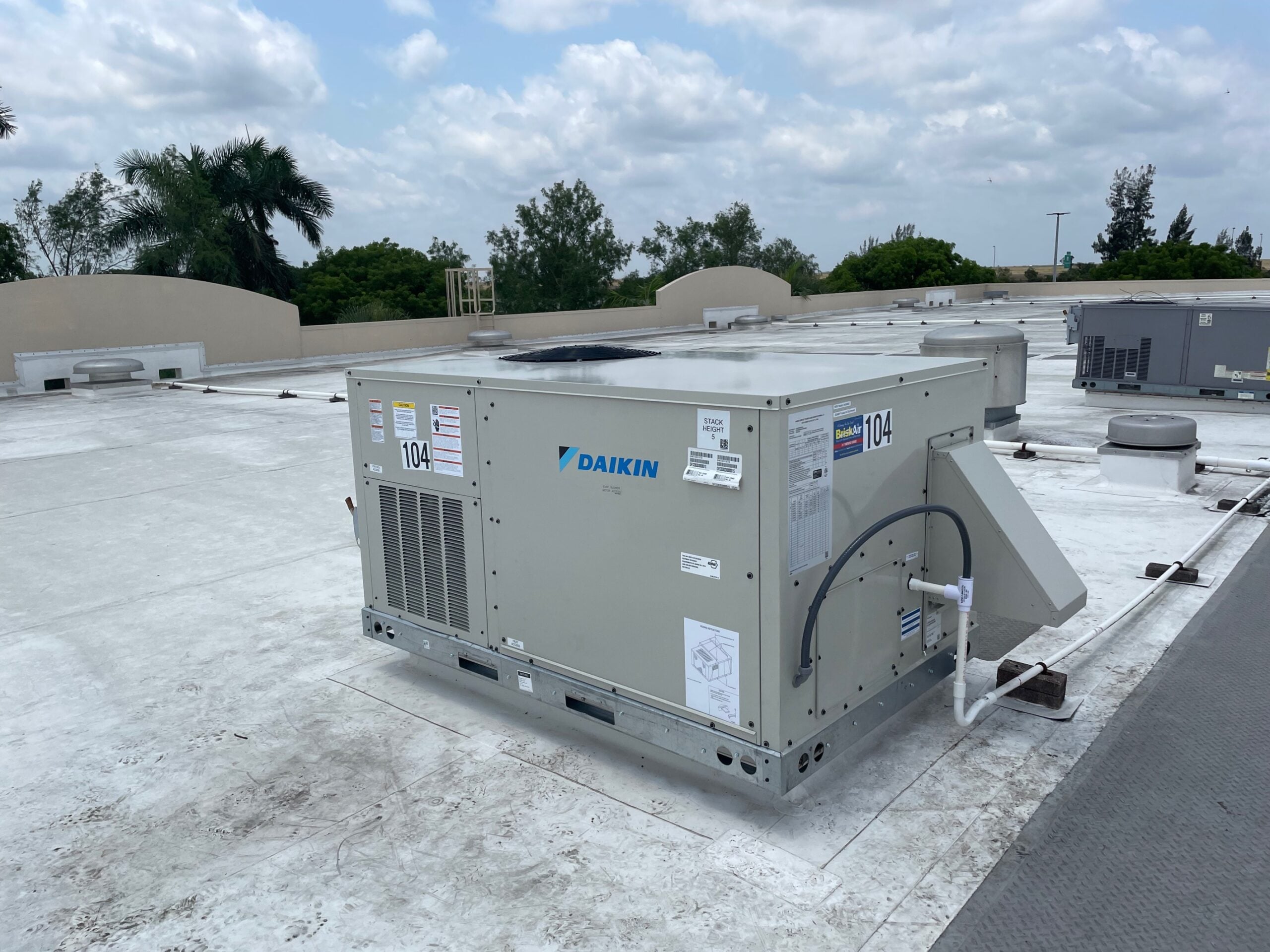
The conference room feels like a refrigerator, the front desk is warm by noon, and someone has quietly tucked a space heater under their desk. Uneven temperatures are one of the most common complaints in commercial buildings, especially for businesses that depend on commercial air conditioning in Coral Springs, FL, where the AC runs for most of the year.
These hot and cold spots lead to thermostat battles, uncomfortable customers, and wasted energy. The good news is that they almost always have a cause that can be found and corrected with the right commercial HVAC services.
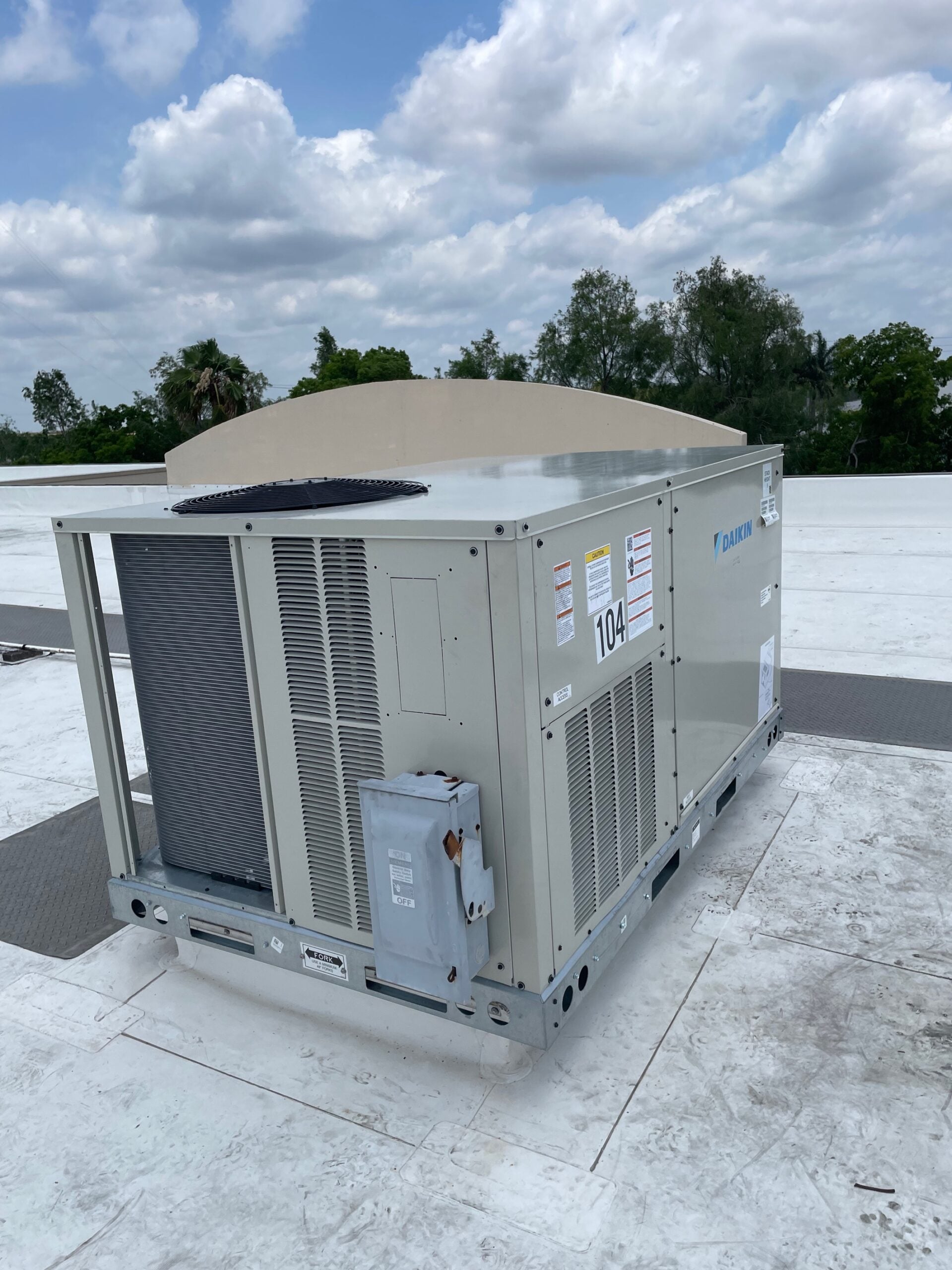
Why Hot and Cold Spots Are More Than a Comfort Issue
It’s easy to brush off temperature complaints as personal preference, but uneven conditions affect your business in real ways. Employees who are too warm or too cold have a harder time focusing. Customers notice a stuffy lobby or a chilly waiting room, too.
The OSHA technical manual recommends keeping workplace temperatures and humidity within set ranges: 68 to 76°F and 20 to 60 percent relative humidity. When part of your building falls outside that range, it’s a sign the system isn’t distributing air the way it should.
Uneven cooling also costs money. Thermostats get turned down to cool one warm office, which overcools the rest of the building. The system runs longer, energy bills climb, and the equipment wears out faster.
Common Causes of Uneven Temperatures in Commercial Buildings
Hot and cold spots rarely come from a single source. These are some of the most common reasons one part of a building feels different from the rest.
Leaky or Poorly Designed Ductwork
Ducts carry conditioned air from the system to each room. If they have leaks, loose connections, or sections that are too small, air never fully reaches the spaces at the end of the line. A typical duct system loses 20 to 30 percent of the air moving through it to leaks and poor connections.
In older buildings, ductwork may have been designed for a different layout or a smaller system. When ducts are damaged or poorly sized, air duct replacement may be the most effective long-term fix.
Layout Changes and Renovations
Offices change over time. New walls go up, open floor plans get divided into private offices, and tenant build-outs reshape entire suites. Each change can block airflow or leave a room without a proper supply or return vent.
If hot and cold spots started after a remodel, there’s a good chance the HVAC design no longer matches how the space is used.
One Thermostat for Too Much Space
Many commercial buildings rely on a single thermostat to control a large area. The system cools based on conditions in that one spot, even if other rooms are much warmer or cooler.
Thermostat placement matters, too. A thermostat near a sunny window, a break room, or an exterior door can give misleading readings and cause the system to overcool or undercool the rest of the space.
Sun Exposure and Large Windows
Glass storefronts and window-lined offices let in a lot of heat, especially on the south and west sides of a building. In South Florida, afternoon sun can push those rooms several degrees warmer than interior spaces. Meanwhile, offices on the shaded side may feel chilly.
Heat From Equipment and People
Server closets, copiers, commercial kitchens, and lighting all add heat to specific areas. People do too. A conference room that’s comfortable at 9 a.m. can feel stuffy by 2 p.m. when it’s full for a meeting.
If your system wasn’t designed with these heat sources in mind, those rooms will consistently run warmer.
Airflow Restrictions and Unbalanced Dampers
Dampers inside the ductwork control how much air goes to each area. When they’re set incorrectly, some rooms get too much air while others get too little. It’s also common for well-meaning employees to close vents or adjust dampers to fix their own spot, which throws off the rest of the building.
Dirty filters and blocked vents create similar problems. Running with a clogged filter reduces airflow throughout the entire system.
An Undersized or Aging System
A system sized for a building’s original use may not keep up after an expansion, a jump in occupancy, or new equipment. Older systems also lose capacity as components wear. When the equipment can’t meet demand, the rooms farthest from it usually feel the difference first.
How to Narrow Down the Problem
Before calling for service, a little observation goes a long way. Keep track of the following:
- Which rooms or areas feel too warm or too cool
- What time of day the problem is worst
- Whether vents are blocked by furniture, shelving, or storage
- Where the thermostat is located and what’s near it
- How problem areas line up with sun exposure, equipment, or heavy occupancy
- Whether the issue started after a renovation, a move, or new equipment
Sharing these notes with a technician can speed up the diagnosis and help pinpoint whether the cause is airflow, controls, or the equipment itself.
Solutions a Commercial HVAC Professional May Recommend
Once the cause is identified, there are several ways to even out temperatures across a building. The right fix depends on the space, the system, and how the building is used.
Air Balancing and Duct Repairs
Air balancing involves measuring airflow at each vent and adjusting dampers so every area gets the right amount of conditioned air. Sealing leaks and repairing damaged duct sections often goes hand in hand with balancing.
Zoning and Thermostat Upgrades
Zoning divides a building into areas with separate controls, so a sunny front office and an interior conference room can be cooled independently. Relocating a poorly placed thermostat can also make a noticeable difference. Upgrading to programmable and smart thermostats adds scheduling, so the building isn’t cooled at full strength overnight or on weekends.
Supplemental Ductless Units
Some spaces simply need extra cooling, such as server rooms, additions, or rooms with heavy equipment. Ductless mini-split systems can handle these areas on their own without overworking the main system.
System Upgrades and Preventive Maintenance
If the existing equipment can’t keep up with the building’s current demands, a properly sized replacement system may be the best long-term solution.
For systems that are in good shape, routine AC maintenance helps catch dirty filters, airflow issues, and worn parts before they turn into comfort complaints.
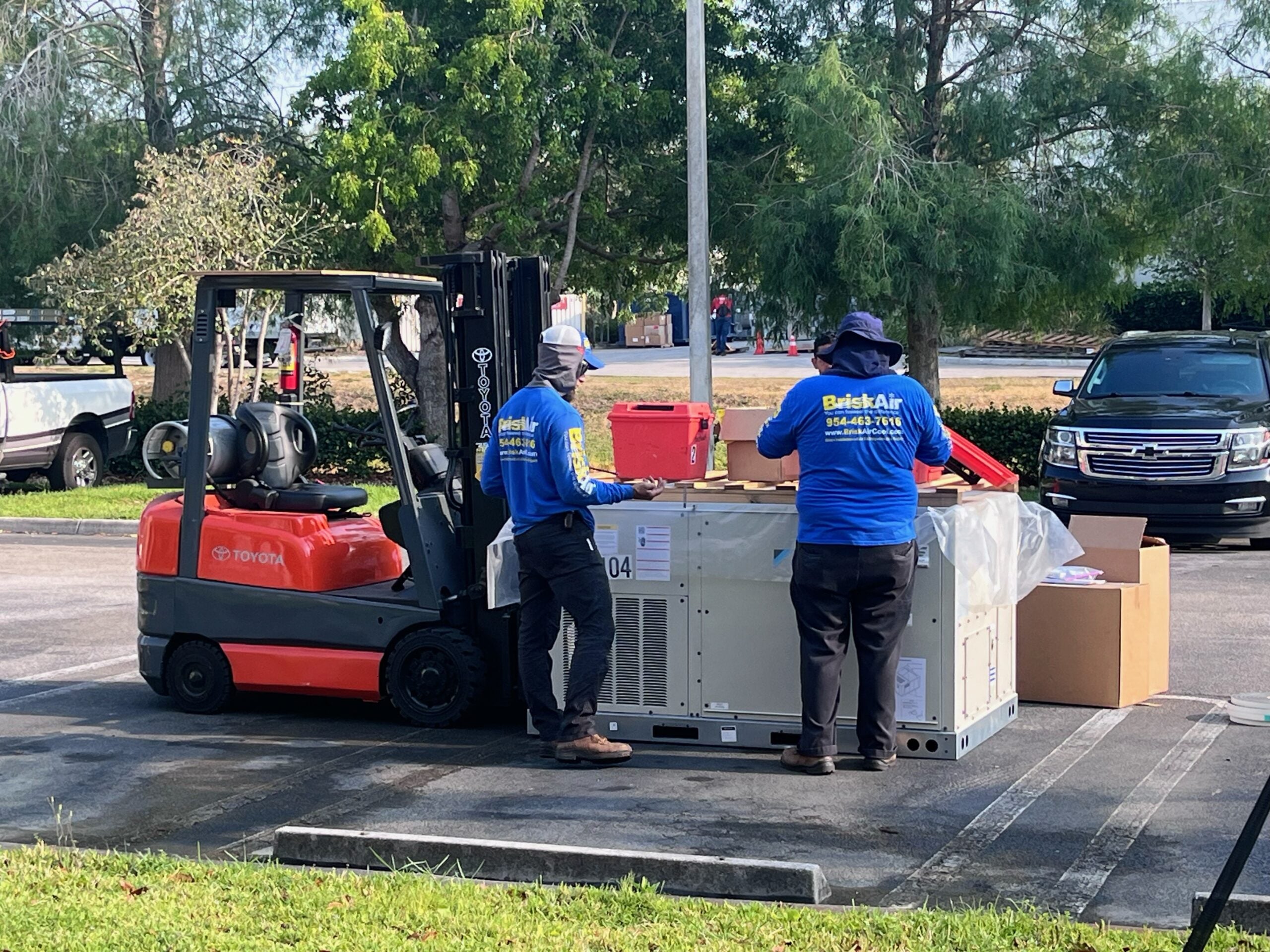
Frequently Asked Questions
Is It Okay to Fix Cold Spots With Space Heaters?
Space heaters may offer short-term relief, but they don’t solve the underlying problem. They also add to energy costs and can create safety concerns in a commercial setting.
Should Employees Adjust Dampers or Close Vents Themselves?
It’s best to avoid it. Closing vents or adjusting dampers in one area changes airflow throughout the building and can make other spaces less comfortable. It can also increase pressure in the ductwork and strain the system.
Can One HVAC System Handle a Building With Very Different Spaces?
Often, yes. With proper zoning, air balancing, and supplemental units where needed, a single system can keep offices, conference rooms, and customer areas comfortable.
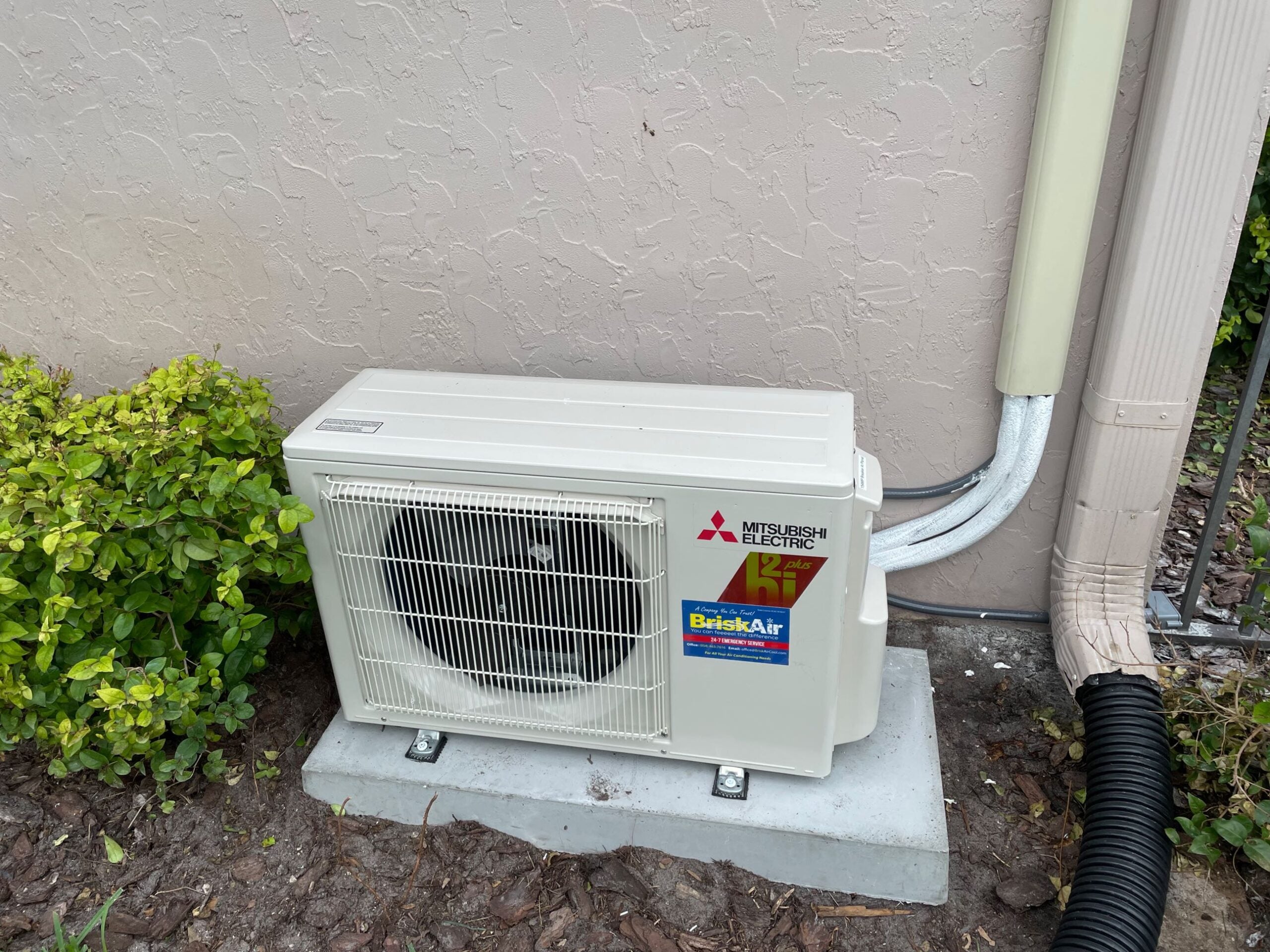
Improve Comfort With Commercial Air Conditioning in Coral Springs, FL
Hot and cold spots don’t have to be a permanent part of your workday. Whether the cause is ductwork, controls, layout changes, or aging equipment, most comfort problems can be identified and corrected.
Since 1972, Brisk Air has helped businesses across Coral Springs and South Florida stay comfortable with commercial AC repair, maintenance, and installation. Our technicians take the time to find the real source of uneven temperatures and offer honest, no-pressure solutions with up-front pricing.
Ready to make your building comfortable from end to end? Schedule a commercial service visit with our team today.