

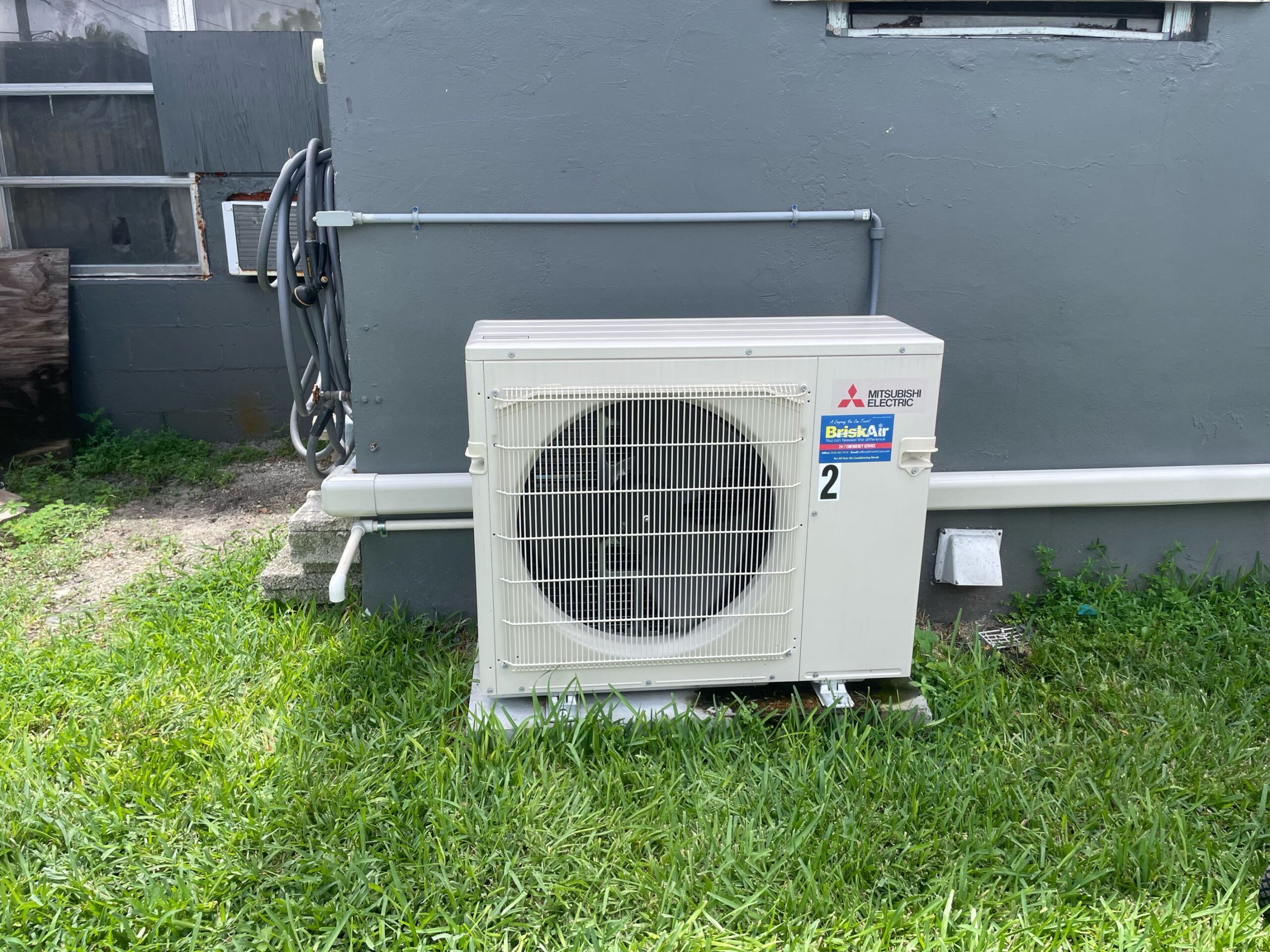
When an air conditioner won’t start, most homeowners assume the worst: a dead compressor, a major electrical fault, or a system that needs to be replaced altogether. More often, the real problem is much smaller and far less expensive to fix.
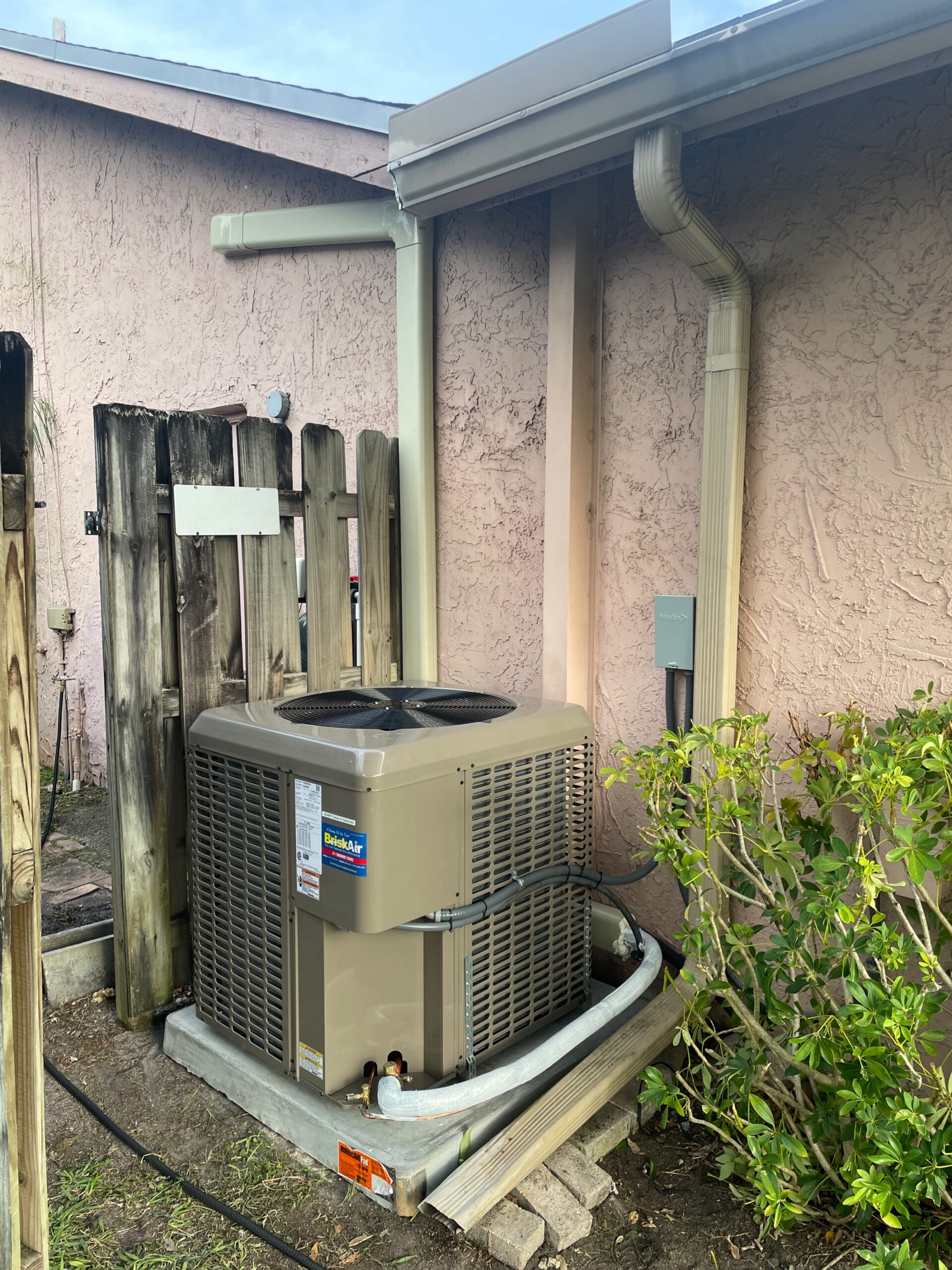
A single part about the size of a soda can — the capacitor — is behind a surprising number of calls for AC repair in Coral Springs every year. Because it sits tucked inside the outdoor unit, it’s easy to overlook until the system stops responding altogether.
Understanding what this part does, the warning signs it gives off before it fails, and why South Florida’s heat is especially hard on it can help you catch the problem early, before a simple fix turns into a bigger repair.
What Does an AC Capacitor Actually Do?
A capacitor is like a small rechargeable battery built into your air conditioner’s electrical system. While the unit is idle, it stores an electrical charge. The moment your thermostat calls for cooling, the capacitor releases that stored energy in a quick burst, giving the compressor and fan motors the torque they need to start spinning from a complete stop.
Once the motors are running, the capacitor keeps supplying a steady stream of current to help them run smoothly and efficiently.
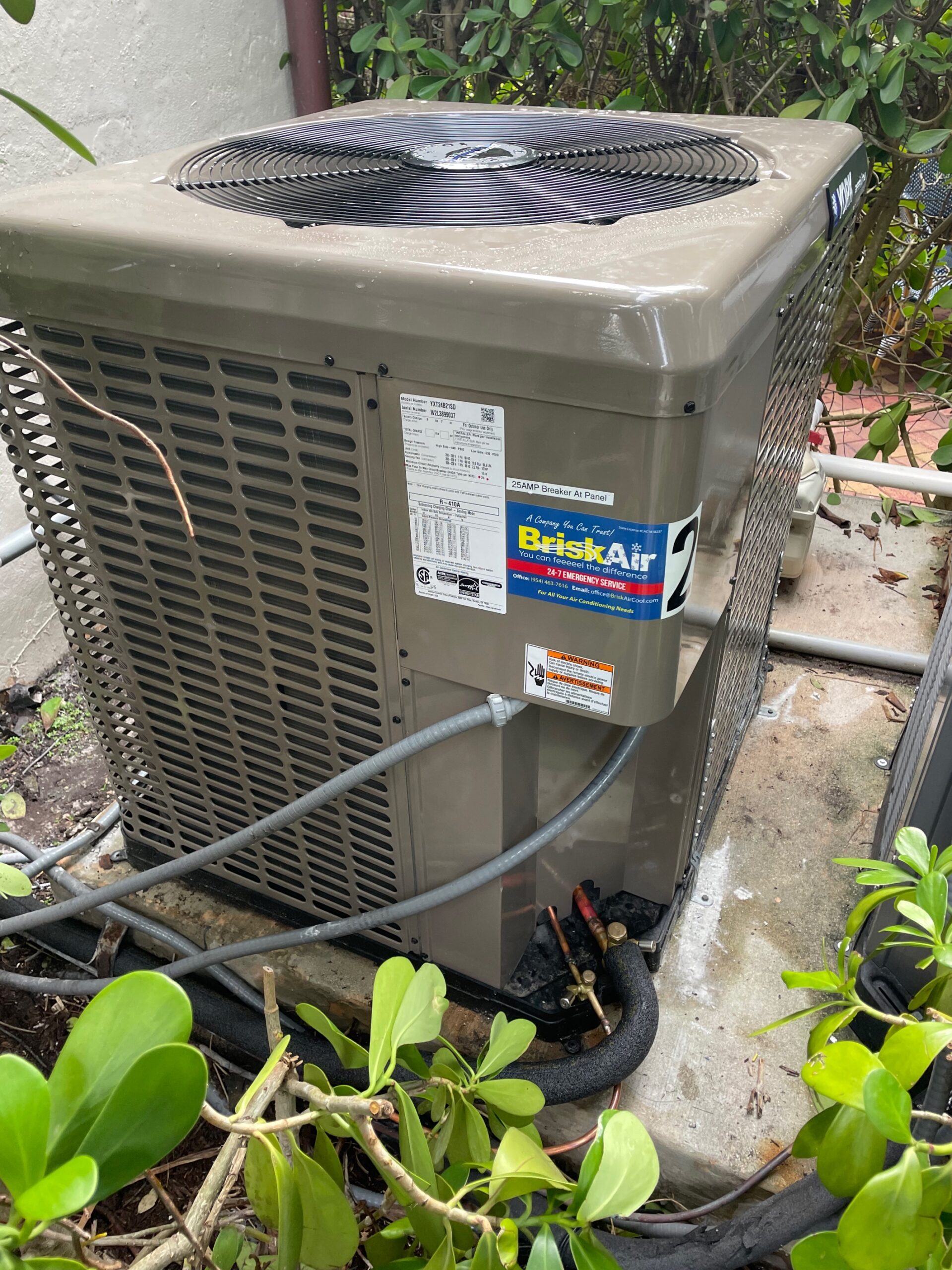
Most residential systems use what’s called a dual run capacitor, which handles both the compressor and the outdoor fan motor in a single unit. Because one small component is doing double duty, a failure here can affect the compressor, the fan, or both at once, which is part of why capacitor problems tend to show up in so many different ways.
Depending on which side of the capacitor is weakening, you might see the compressor struggle to start while the fan spins fine, or the reverse, where the fan stalls while the compressor keeps trying to run without it.
Signs Your AC Capacitor Is Failing
A capacitor rarely fails without warning first. Watch for:
- The outdoor unit hums, but the fan doesn’t spin.
- The system takes several attempts to start, or won’t start at all.
- Your AC shuts off shortly after turning on.
- Warm air blows from the vents even though the system is running.
- Your energy bill climbs without a clear explanation.
- There’s visible bulging, leaking, or corrosion on the capacitor itself.
Why This Is Easy to Confuse with Other AC Problems
A number of these symptoms overlap with other common breakdowns. A system that struggles to start can also point to compressor problems, and warm air from the vents might make you think of a refrigerant issue rather than an electrical one.
Because a technician can test a capacitor’s charge with a multimeter in a matter of minutes, it’s rarely worth guessing on your own. An accurate diagnosis is the fastest route to a fix, whether it turns out to be the capacitor or something else covered under an AC service.
What Causes AC Capacitors to Fail?
Capacitors are wear parts, built to perform well for years, but not forever. A handful of factors tend to speed up that timeline:
- Age: Most capacitors last somewhere between five and ten years, depending on the system and how hard it runs.
- Heat Exposure: Capacitors are sensitive to high temperatures, and constant exposure gradually breaks down the materials that hold a charge.
- Power Surges: Sudden spikes in electrical current, whether from storms or grid fluctuations, can damage a capacitor instantly.
- Manufacturing Defects: Less common, but an occasional cause of early failure even in a well-maintained system.
In most cases, it’s a combination of these factors rather than a single obvious cause, which is why a capacitor near the end of its life can seem to fail out of nowhere on an otherwise ordinary afternoon.
Why Florida Heat Puts Extra Strain on Capacitors
South Florida’s climate doesn’t do capacitors any favors. Outdoor units here run for more hours across more months than in most parts of the country, and the heat surrounding the unit compounds the wear that naturally comes with regular use.
For homeowners searching for AC repair during the peak of summer, a failing capacitor is one of the most common reasons a system stops cooling right when it’s needed most.
What Happens During a Capacitor Repair
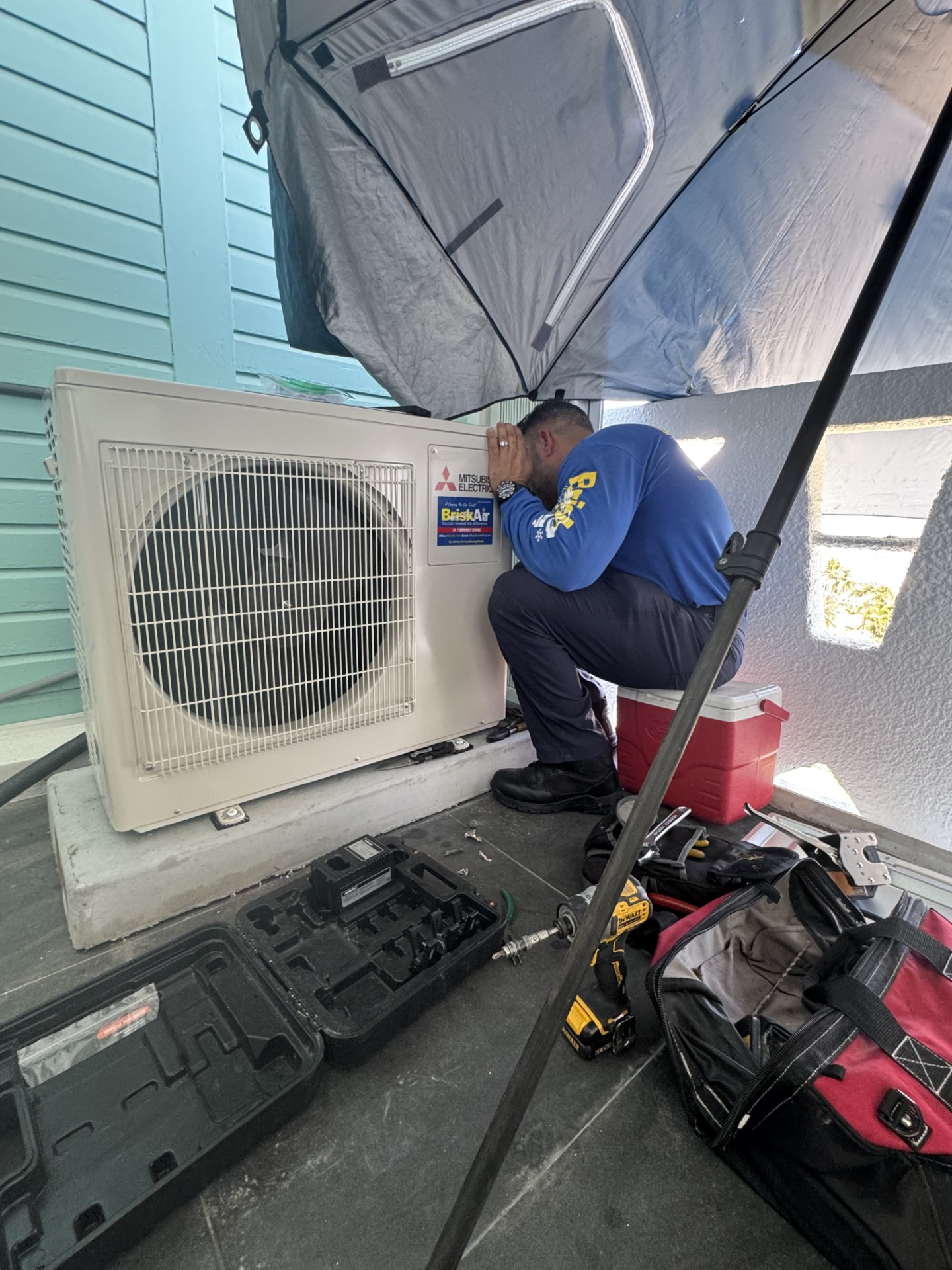
If a capacitor is suspected, a technician typically starts with a visual inspection, checking for bulging, leaking, or corrosion, then confirms the diagnosis with a meter reading against the capacitor’s rated capacitance. If the part is delivering less charge than it should, replacement is straightforward: the failed capacitor is swapped for one rated to match your system’s specifications.
This is one repair that’s genuinely not worth attempting yourself. Capacitors can hold an electrical charge even after a system is powered off, and working inside the outdoor unit means working around other components that require training to service safely.
In most cases, a technician can confirm whether the capacitor is at fault, replace it, and have your system back up and cooling within the same visit.
Can a Failing Capacitor Be Prevented?
No capacitor lasts forever, but routine maintenance can catch a weakening one before it fails outright. During a seasonal tune-up, a technician tests capacitance readings against manufacturer specifications and can flag a part that’s trending toward failure, often well before it causes a no-cool emergency.
The ENERGY STAR maintenance checklist outlines many of the same checks a professional visit should include, from electrical component testing to overall system performance.
Frequently Asked Questions About AC Capacitors
How much does it cost to replace an AC capacitor?
Costs vary based on the type of capacitor and system, but a capacitor replacement is typically one of the more affordable AC repairs, especially compared to compressor or full-system replacement costs.
Can I replace an AC capacitor myself?
It’s not recommended. A capacitor can retain a dangerous electrical charge even when the system is off, and diagnosing it correctly requires equipment most homeowners don’t have on hand. A licensed technician can test and replace the part safely in one visit.
How long does a capacitor replacement take?
Once a technician confirms a failing capacitor is the issue, replacement is usually quick — often finished within the same visit used to diagnose the problem.
What happens if I keep running my AC with a failing capacitor?
Running the system on a weak capacitor forces the compressor and fan motors to strain to start and stay running, which speeds up wear on those more expensive parts. What might start as an affordable capacitor swap can turn into a full compressor repair if the issue goes unaddressed for too long.
Get AC Repair in Coral Springs Before a Small Part Becomes a Big Problem
A capacitor might be one of the smallest parts in your air conditioner, but ignoring its warning signs rarely ends well. What starts as a humming fan or a slow start can turn into a compressor forced to work overtime, and a repair bill considerably larger than the cost of a capacitor replacement.
If your system has been acting up lately, don’t wait for it to stop cooling altogether. Reach out to our team to get a technician out to diagnose the issue and get your AC running the way it should. Request an appointment online, or give us a call, and we’ll help you figure out exactly what’s going on with your system.