

You schedule an HVAC service appointment, open the door for the technician, and then what happens? For many homeowners, the process is a bit of a mystery. They know regular service is important, but they may not know what a technician actually checks, what maintenance tasks are performed, or how they determine whether a system is running properly.
An HVAC service in Coral Springs, FL, is not simply a quick inspection of your equipment. A professional technician follows a detailed process to evaluate your system’s performance, identify potential concerns, clean essential components, and make adjustments that help improve reliability and efficiency.
Whether you are scheduling routine maintenance, troubleshooting a comfort issue, or preparing your system for a new season, understanding what happens during an HVAC service appointment can help you get more value from your visit and make informed decisions about your home’s heating and cooling needs.
What Is Included in an HVAC Service Appointment?
An HVAC service appointment is designed to evaluate your system’s condition and ensure it is operating safely and effectively. While every visit may be different depending on your equipment and needs, most appointments include a thorough inspection, maintenance, performance testing, and a discussion of any recommended services.
The process may vary based on factors such as the type of HVAC system you have, its age, how often it has been maintained, and whether you are scheduling routine service or addressing a specific problem.
A technician servicing a central air conditioning system may focus on components like the condenser coil, evaporator coil, refrigerant levels, and airflow. A heating system inspection may include checking burners, heat exchangers, and safety controls.
Step 1: The Technician Reviews Your HVAC System and Concerns
An HVAC service appointment usually begins with a conversation between you and the technician. Before inspecting the equipment, the technician will ask questions about your system’s performance and any concerns you have noticed.
Homeowners may be asked about issues such as:
- Rooms that feel warmer or colder than others
- Strange sounds coming from the HVAC system
- Unusual smells
- Higher-than-normal energy bills
- Reduced airflow from vents
- Frequent cycling or difficulty maintaining temperatures
These details give the technician valuable information before they begin the inspection. Sometimes, small changes in how your HVAC system operates can point to developing issues that are not immediately obvious.
For instance, a slight increase in energy costs may indicate reduced efficiency caused by dirty components, airflow problems, or a system working harder than it should. Sharing these observations helps your technician perform a more accurate evaluation and address your specific concerns.
Step 2: A Complete HVAC System Inspection Is Performed
After discussing your concerns, the technician will inspect your HVAC equipment. This step allows them to evaluate the condition of individual components and identify anything that could affect performance.
For an air conditioning system, the inspection typically includes both the indoor and outdoor units.
Indoor Unit Inspection
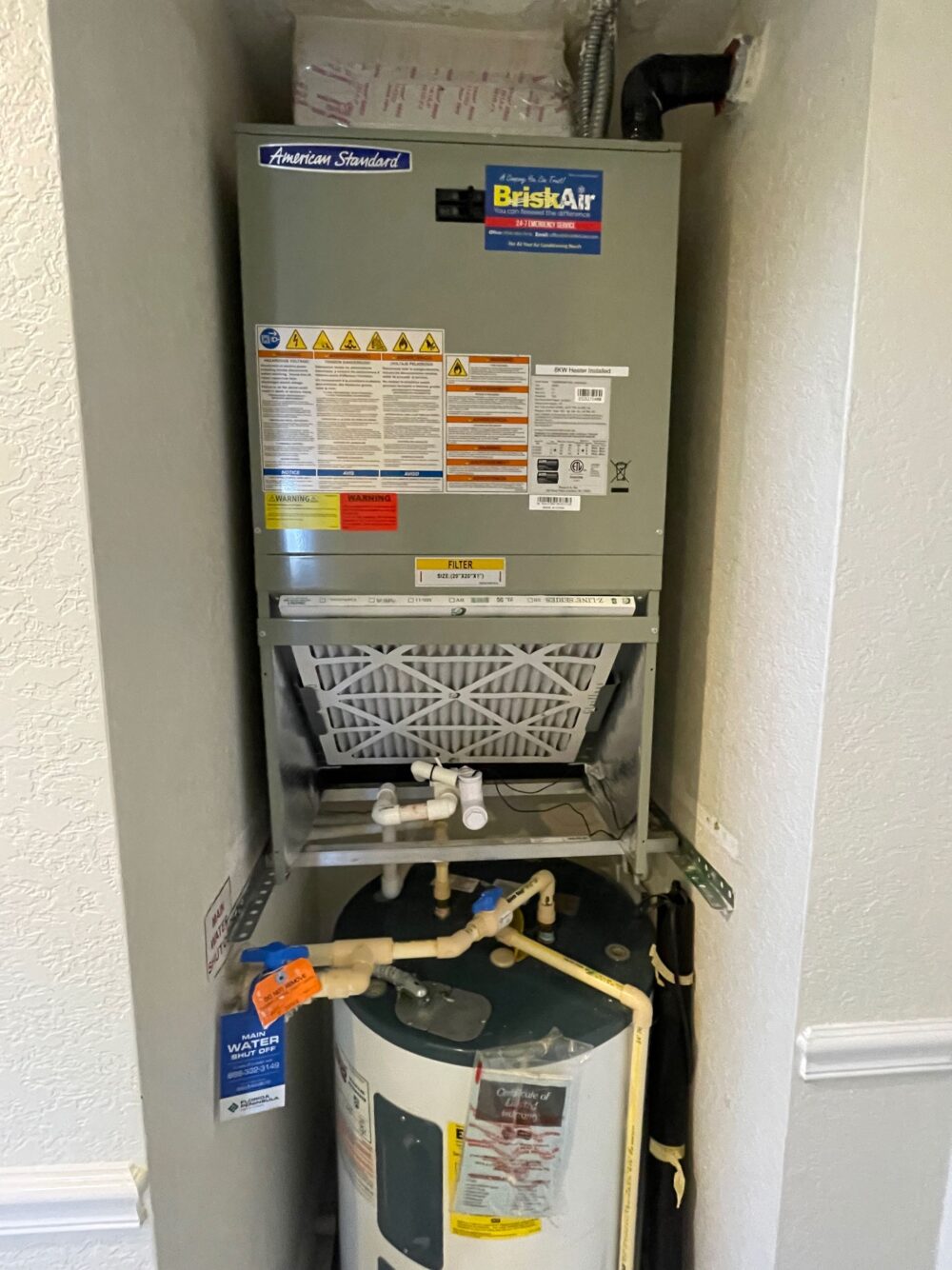
Inside your home, the technician may inspect components such as the evaporator coil, blower motor, electrical connections, and air filter. They will look for signs of dirt buildup, damage, or wear that could reduce system efficiency.
The blower system is especially important because it helps distribute conditioned air throughout your home. If the blower motor or related components are not working properly, you may experience weak airflow or uneven temperatures.
Outdoor Unit Inspection
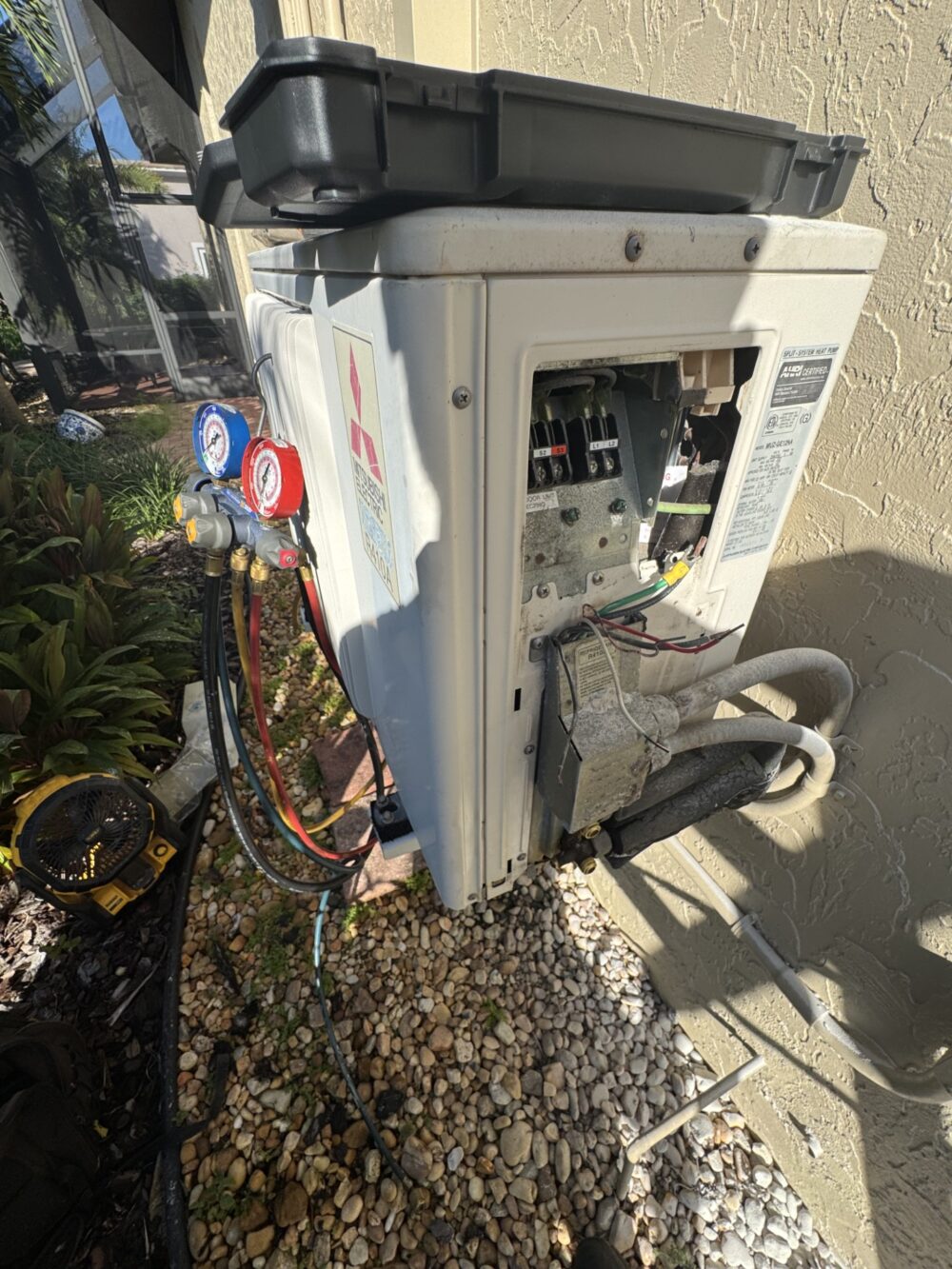
The outdoor condenser unit also requires careful evaluation. Technicians may inspect the condenser coil, fan motor, refrigerant lines, and surrounding area.
Leaves, dirt, grass clippings, and other debris can collect around outdoor equipment and restrict airflow. When the system cannot release heat properly, it may have to work harder, which can increase energy use and place additional strain on components.
Thermostat and Controls Check
The thermostat is another important part of your HVAC system. A technician may test thermostat settings, verify temperature readings, and make sure the system responds correctly to adjustments.
A malfunctioning thermostat can create comfort issues even when the HVAC equipment itself is working properly.
Step 3: Cleaning and Maintenance Tasks Are Completed
One of the most important parts of an HVAC service appointment is completing maintenance tasks that keep the system running efficiently.
Over time, dust, dirt, and debris can build up inside HVAC components. This buildup can restrict airflow, reduce performance, and force your system to use more energy to maintain your desired temperature.
During a service visit, a technician may perform tasks such as:
- Inspecting or replacing air filters
- Cleaning coils
- Clearing condensate drains
- Checking blower components
- Tightening electrical connections
- Cleaning around outdoor equipment
- Lubricating moving parts when necessary
Air filters are especially important because they help protect your HVAC system from dust and particles. A clogged filter can make it harder for air to move through the system, reducing efficiency and putting additional stress on the equipment.
Cleaning coils is another key maintenance step. Coils help transfer heat during the cooling process, and dirty coils can interfere with that process. Keeping these components clean allows your system to operate more effectively.
Routine maintenance does not just improve immediate performance. It also helps reduce wear on important parts and can contribute to a longer equipment lifespan.
Step 4: HVAC Performance and Safety Tests Are Completed
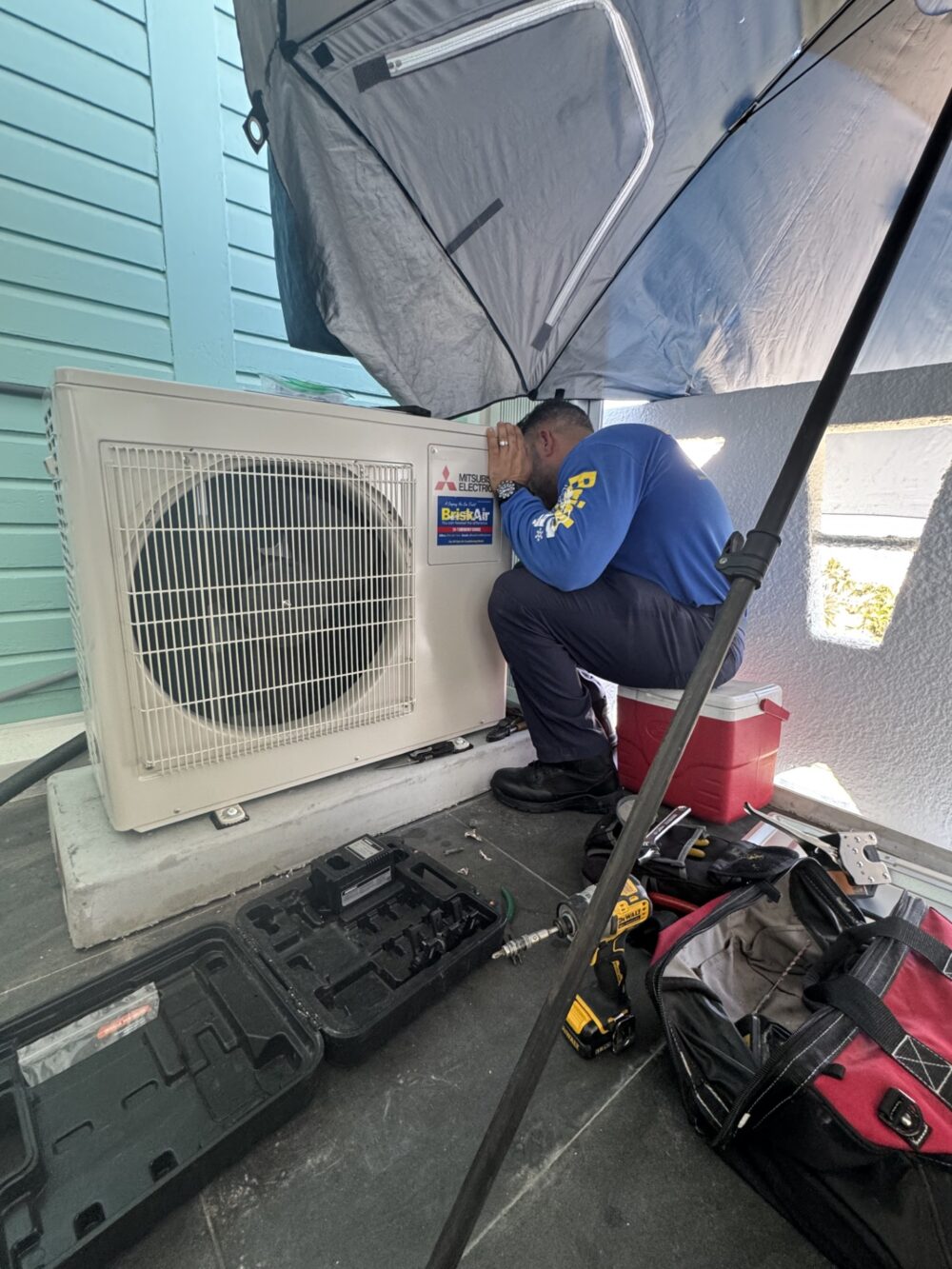
After inspecting and maintaining the system, the technician will test its operation to ensure everything is working correctly.
Performance testing may include checking:
- Airflow levels
- Temperature differences between supply and return air
- Refrigerant levels for applicable systems
- Electrical connections and components
- Heating and cooling cycles
These tests help confirm that your HVAC system is operating within expected performance standards.
For heating systems, especially gas-powered equipment, safety checks are also an important part of service. Technicians may inspect safety controls and other components to help ensure the system operates safely.
Testing is valuable because some HVAC issues may not be obvious during a visual inspection. A system may appear to be working while still experiencing reduced efficiency or developing problems that could lead to a future breakdown.
Step 5: The Technician Explains Findings and Recommendations
Once the inspection, maintenance, and testing are complete, the technician will review their findings with you.
A professional HVAC technician should clearly explain:
- What was inspected
- What maintenance was completed
- Whether any issues were found
- What repairs or improvements may be recommended
If your technician identifies a problem, they should explain the issue and provide options for addressing it. This allows you to make informed decisions based on your home’s comfort needs and budget.
Addressing minor problems early can often prevent more serious damage later. For example, replacing a worn component before it fails completely may help you avoid an unexpected system breakdown.
How Long Does an HVAC Service Appointment Take?
The length of an HVAC service appointment depends on the type of system, its condition, and the work being performed.
Most routine service visits take about one to two hours. However, appointments involving repairs, complex diagnostics, or older equipment may require additional time.
A thorough inspection is important, so homeowners should avoid expecting a rushed visit. Taking the time to properly evaluate your system helps technicians identify issues and provide accurate recommendations.
How Often Should You Schedule HVAC Service?
Most HVAC systems benefit from professional service at least once or twice per year. Scheduling maintenance before peak seasons can help ensure your system is ready when you need it most.
For example, spring is a great time to schedule air conditioning service before summer temperatures arrive. Fall is often ideal for heating system maintenance before colder weather begins.
Regular HVAC service can help:
- Improve system reliability
- Support energy efficiency
- Reduce unexpected repairs
- Maintain indoor comfort
- Extend equipment lifespan
Following a consistent maintenance schedule can help protect your HVAC investment and keep your home comfortable throughout the year.
Schedule Your HVAC service in Coral Springs, FL, Today
From detailed inspections and cleaning to performance testing and expert recommendations, routine service gives homeowners peace of mind and helps prevent costly problems.
Whether you need routine maintenance, emergency repairs, a new installation, or help improving your home’s comfort, Brisk Air is here to help. Contact us today for dependable AC service, installation, repairs, and a broad range of heating and cooling solutions.
With upfront pricing for any budget, honest no-pressure recommendations, money-saving specials, and guaranteed flawless performance on heating and AC replacement and installation, our team delivers 100% satisfaction on every job.